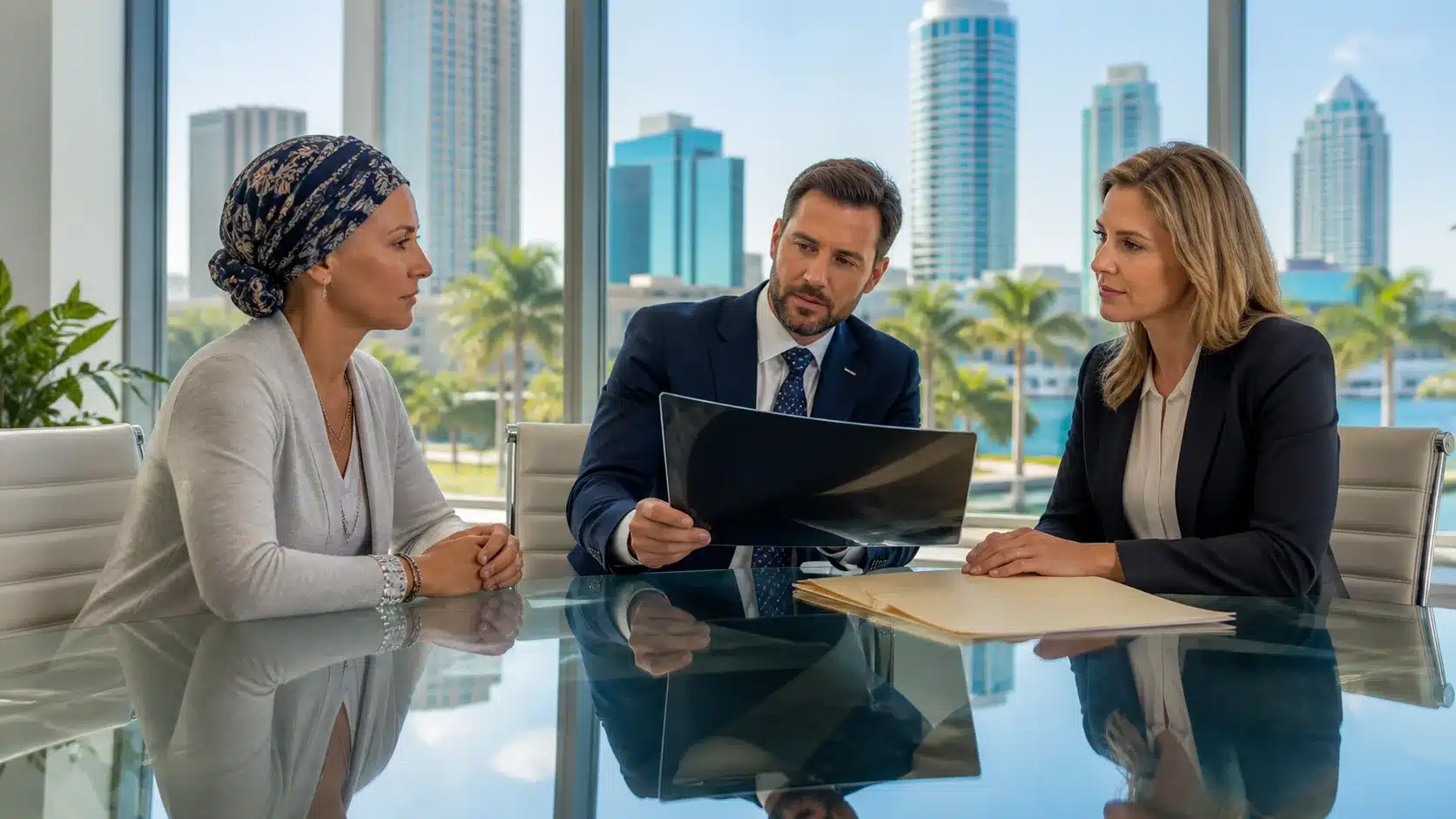
Losing a loved one after medical treatment leaves behind more questions than answers. For many families in Tampa, the grief feels heavier when the loss comes unexpectedly and something doesn’t sit right. Medical malpractice deaths often create a sense of confusion about what truly happened, why a routine procedure or appointment turned into something devastating, and whether it could have been avoided.
That kind of loss carries not just emotional weight, but also a need for clarity. When the trust placed in medical care is shaken, families may find themselves trying to figure out how to move forward while coping with that uncertainty. In this article, we’re focusing on what happens after those losses, how people respond, and why knowing the next step can sometimes feel so far out of reach. At Greco, Wozniak & Ruiz-Carus, P.A., our attorneys have over 100 years of combined experience handling medical malpractice and wrongful death cases for families in Tampa and throughout Florida.
Understanding What Happens After a Sudden Loss
A sudden loss is never easy. But when it follows a medical experience that was expected to help, not harm, things can feel even harder to make sense of. Families are left trying to process the moment their entire world changed.
Here’s what many experience in those early days and weeks:
- Shock often comes first. It may feel like time is standing still.
- Confusion follows closely because questions about the treatment, the care, or the choices made can keep repeating in the mind.
- Guilt may show up too, even if it doesn’t make sense, especially when family members think back to what they said or didn’t say during care.
Some families will start asking quiet questions to themselves. Others might not speak up at all, not right away. It’s not always easy to know if what happened was just an unfortunate outcome or something more serious. That internal back and forth is common and part of what makes these kinds of deaths more complicated to process.
When Something Doesn’t Feel Right After Medical Care
Sometimes, a family just knows something isn’t adding up. Maybe it’s a rushed explanation that didn’t seem full. Or maybe a detail mentioned during treatment doesn’t match what’s in the chart later on. That uneasy feeling matters, and it often becomes the reason people keep digging.
We’ve seen families move through this part in many different ways. Some begin by quietly reading up on what their loved one went through. Others focus on small pieces of information that didn’t quite fit.
A few common things that raise flags include:
- A sudden change in condition with no clear reason
- Staff responses that feel too rehearsed or vague
- Trouble getting straight answers to direct questions
When heartache is fresh, it’s easy to doubt your own instincts. But we believe it’s important to remind people that paying attention to those gut feelings is not being dramatic or emotional. It’s being human.
Grief in Tampa Families After a Medical Malpractice Death
In Tampa, Florida, families rely on each other in times of grief. But grief doesn’t look the same for everyone. Some people need to cry. Others go quiet. And children may ask questions that are hard to answer or even understand.
The emotional response can show up in different ways:
- Some may withdraw and isolate
- Others may go through bursts of anger or frustration
- Grief can lead to physical symptoms too, like trouble sleeping or loss of appetite
Support from friends, church groups, or neighbors can help. But it can also feel temporary. That’s why, at some point, many families look for a way to make sense of what actually happened. In a place like Tampa, where people take care of each other, that desire for answers doesn’t come from blame, but from love. Families want to make sure something preventable doesn’t happen again to someone else.
How Families Seek Clarity Without Adding More Pressure
Questions don’t have to lead to action right away. Some families just want to understand. The worry, of course, is that asking the wrong question or taking the wrong step might make things harder. But the truth is, slow and simple steps can lead to new understanding.
Here are a few ideas families often consider:
- Writing down everything remembered about the treatment, including people, times, and reactions
- Talking to staff again, asking calm and clear questions without pressure
- Requesting medical records to review at their own pace
These steps don’t require any commitment. They don’t start a process. They simply help people feel like they’re doing something that may lead toward some real information. Just taking that one small step can bring a sense of direction, which sometimes is all a grieving person needs.
Navigating Loss With Answers and Support
Loss brings grief and sadness, but it also creates a longing for peace. When families slip into the quiet parts of recovery, they’re not always searching for someone to blame. Most are just hoping to find a piece of the puzzle that was missing when everything felt out of control.
There’s no right time to ask the hard questions. But when grief feels stuck, those questions may be part of the healing. Asking doesn’t erase anyone’s pain. It won’t bring someone back. But it can bring understanding. And for many in Tampa, understanding is what turns grief into something more solid, something you can carry instead of being crushed by.
When something doesn’t feel right, families deserve to trust their instincts. They deserve space to be heard and time to make sense of what’s happened. If that path takes time, that’s okay. Grief allows for that. And so do we. Our firm offers free initial consultations and works on a contingency fee basis, with no attorney’s fees unless there is a recovery, so families can seek clarity about what happened without added financial pressure.
Navigating the loss of a loved one can leave you with more questions than answers, especially when their care did not go as expected. Many families in Tampa, Florida, experience similar feelings and want guidance when something doesn’t feel right after medical treatment. At Greco, Wozniak & Ruiz-Carus, P.A., our team listens first and provides support focused on what matters most to your family. When you’re ready to discuss your concerns or explore support for families dealing with medical malpractice deaths, reach out to us to start the conversation.