When something goes wrong during medical care, it can leave people frustrated, confused, and looking for answers. Questions start to pop up fast. Could this have been avoided? Did someone miss a step? If the outcome feels wrong, it usually takes proof to understand what happened and whether a provider followed the right steps. This is often where a medical malpractice law firm becomes helpful. While figuring things out after a bad medical experience is not easy, building proof is usually the first step toward clearing up confusion. At Greco, Wozniak & Ruiz-Carus, P.A., our attorneys draw on over 100 years of combined experience handling personal injury, medical malpractice, and wrongful death cases in Tampa and throughout Florida to carefully evaluate that proof.
Understanding What Counts as Proof
Not every bad outcome is caused by a mistake. That’s why it is so important to know what kind of proof is needed for a malpractice case. In Florida, proof often comes from records that doctors and nurses keep. These can include charts, medication logs, surgery reports, and follow-up care notes. Each one helps paint a clear picture of how things unfolded.
But it is not just about collecting documents. The trick is spotting where the usual rules or care steps may not have been followed. In many cases, it is about connecting an action or a decision to the harm someone experienced. Florida law focuses on whether a provider failed to use the same level of care that another provider in the same situation would have used. That connection between a missed step and the injury is what makes the difference.
Where Does the Evidence Come From?
A lot of evidence in these cases comes straight from the hospital or clinic records. These include the patient’s history, treatment notes, test results, and discharge instructions. This is often the first stop when a medical malpractice law firm starts building a case.
Other useful information may come from people who were there. Nurses, medical staff, or loved ones who saw what happened can sometimes share helpful details or spot what was not done. Even simple things like handwritten notes, texts, or photos taken during care may support the timeline.
We also find that patients sometimes write down what happened while it is still fresh. That kind of quick summary can help match up what is in the official medical records with how care was actually experienced.
How Lawyers and Investigators Review Evidence
Getting proof is only the beginning. Once it is collected, the real work begins. A law firm will go through the records one step at a time, often looking at each visit, test, or decision. What was said? What was documented? Was anything missed that should have been done?
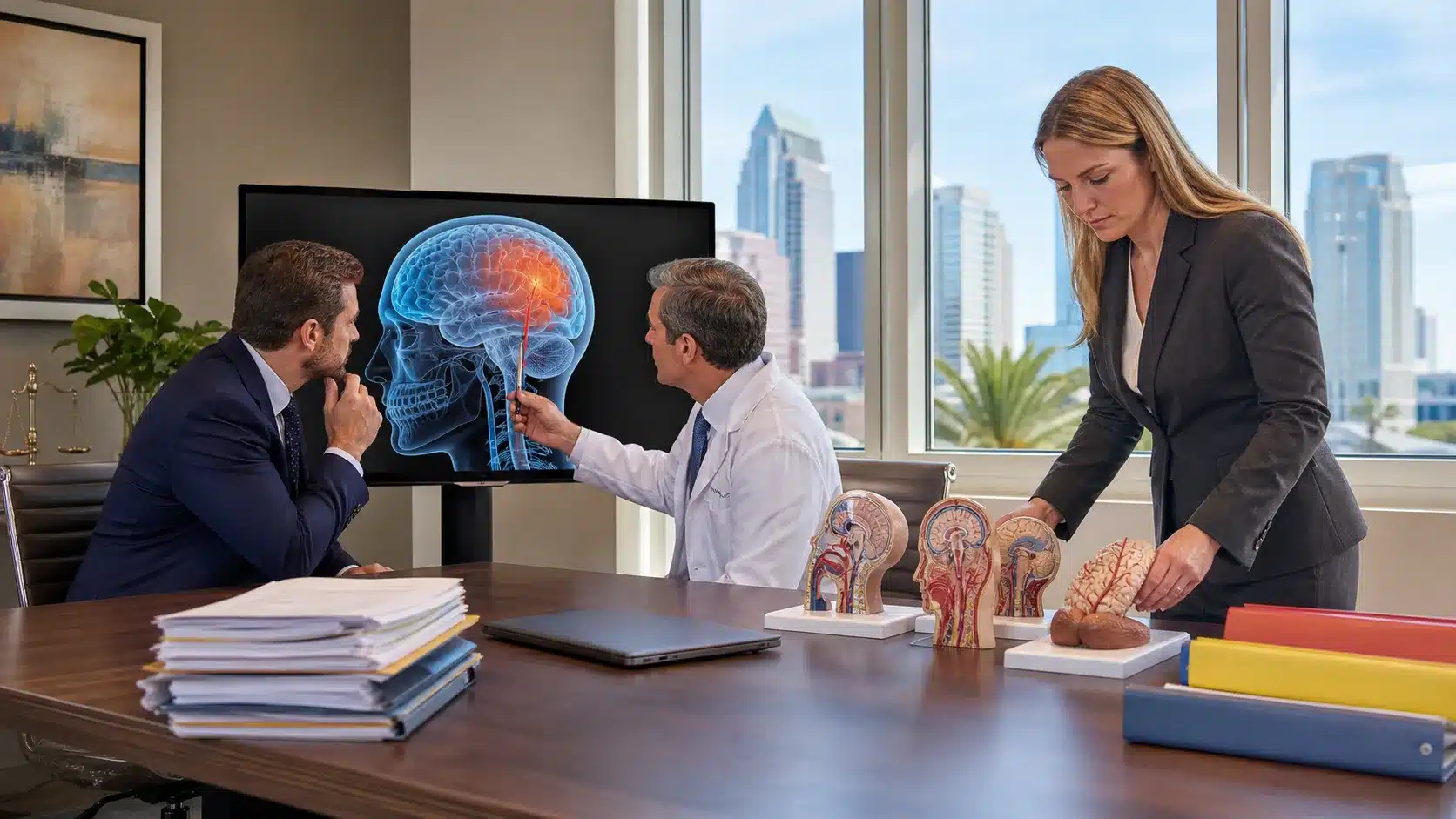
During this review, outside medical professionals may be brought in to look at the facts. These reviewers help compare the care provided against what is normally expected in a case like this. They can sometimes spot patterns, like missed signs, poor communication, or skipped steps, that others might miss. Depending on the case, those specialists may include professionals from fields such as surgery, emergency medicine, oncology, or radiology, whose input can clarify whether accepted standards of care were followed.
This close review can take time. The goal is simple, find out whether something was off track and if that led to someone getting hurt.
When Evidence Isn’t Easy to Find
Records are supposed to be kept accurate and complete, but that does not always happen. Sometimes key pieces are missing, delayed, or incomplete. This can slow things down for the family and the law firm working on their behalf.
Florida law does allow some room when critical details are not easy to spot right away. This means the timeline for legal action may adjust if certain facts take longer to show up or if the harm was not immediately clear.
Still, collecting every bit of proof can be a long process. If records are late or paperwork is unclear, we may need to follow up more than once. Having someone on our side who knows where and how to look can make a big difference when usual paths to getting answers are blocked.
What Tampa Patients Should Know
In Tampa, hospitals and care centers are expected to follow certain medical rules made to keep patients safe. These include standards about how to review test results, hand off care between doctors, or give clear instructions at discharge.
Because we work with cases here in Tampa, we understand how local hospital systems store their records and track their cases. Knowing how Florida care guidelines line up with what happened makes it easier to spot gaps in the timeline or missing records. Our practice is focused on serious injury and medical malpractice matters, including surgical errors, diagnosis errors, and wrongful death claims, so we are familiar with the types of proof that often matter most in these cases.
When proof is being pulled together, small differences between facilities can matter in a big way. Whether care happened at a large hospital or a small clinic, patterns in local practice can help connect the dots.
Why Clear Proof Makes a Difference
Having the right proof can help explain what happened and why. When someone is left with unanswered questions after a medical visit, those records can be the key to understanding whether rules were followed or care went off track.
It takes time and patience to gather everything and look closely. But for many families, this process gives clarity. When things do not go as expected in medical care, having real answers matters, and clear proof brings those answers closer.
Spotting missing notes or records that do not add up can make a major difference when questions arise about your medical experience in Tampa, Florida. Working with a medical malpractice law firm that understands local care standards can help bring clarity. At Greco, Wozniak & Ruiz-Carus, P.A., we know how to uncover details that matter and connect the facts to your story. We are here to listen and discuss your concerns so you know what steps to take next. Reach out to us to talk about what you have experienced and how we can help.