Fast Action Can Protect Your Brain and Your Rights
Stroke symptoms and migraine symptoms can look frighteningly alike. A severe headache, vision changes, numbness, trouble speaking, and confusion may occur with either condition, but a stroke can cause permanent brain injury or death when treatment is delayed. We want you to know that sudden neurological changes always deserve emergency attention.
No one should try to self-diagnose a possible stroke, even if the symptoms feel like a past migraine or begin to improve. Calling 911 right away is the safer choice. When a medical provider fails to recognize, investigate, or promptly treat possible stroke symptoms, we may need to examine whether an avoidable diagnosis delay caused added harm.
What Makes a Stroke Different From a Migraine Aura
Migraine aura symptoms often build gradually. Someone may see flashing lights or zigzag patterns, feel tingling, become nauseated, or develop a headache after the warning symptoms begin. Some migraines can also cause temporary changes in speech, sensation, or vision, which is one reason these cases can be medically difficult.
Stroke symptoms are often sudden, although every stroke can present differently. The brain area involved can affect what a person feels, sees, says, or can physically do. Common warning signs may include:
- Facial drooping or an uneven smile
- Weakness or numbness on one side of the body
- Trouble speaking, understanding words, or staying coordinated
- Sudden vision loss, confusion, or an abrupt severe headache
A history of migraines should not automatically end the conversation. As a diagnosis error lawyer in Tampa, we may review whether emergency room staff, primary care providers, or specialists properly considered stroke when a patient reported new, unusually severe, or changing neurological symptoms.
Warning Signs That Demand Emergency Evaluation
The BE FAST reminder can help families notice possible signs of stroke: balance problems, eye or vision changes, facial drooping, arm weakness, speech difficulty, and time to call 911. These symptoms may come on without warning. They can also fade for a period of time, including during a transient ischemic attack, sometimes called a mini stroke.
Not every stroke looks like the one people expect. Sudden dizziness, difficulty walking, persistent vomiting, trouble swallowing, unexplained weakness, or unusual confusion can all require prompt evaluation. Strokes affecting the back part of the brain may first appear similar to vertigo or a migraine, making a careful medical assessment especially important.
As holiday gatherings and travel plans fill the calendar, we encourage families to talk about what to do during a health emergency. Loved ones are often the first to notice changes in speech, balance, facial expression, or behavior. Calling 911 is safer than having someone drive a person who may be impaired, confused, or losing coordination.
How Missed Stroke Diagnoses Can Cause Lasting Harm
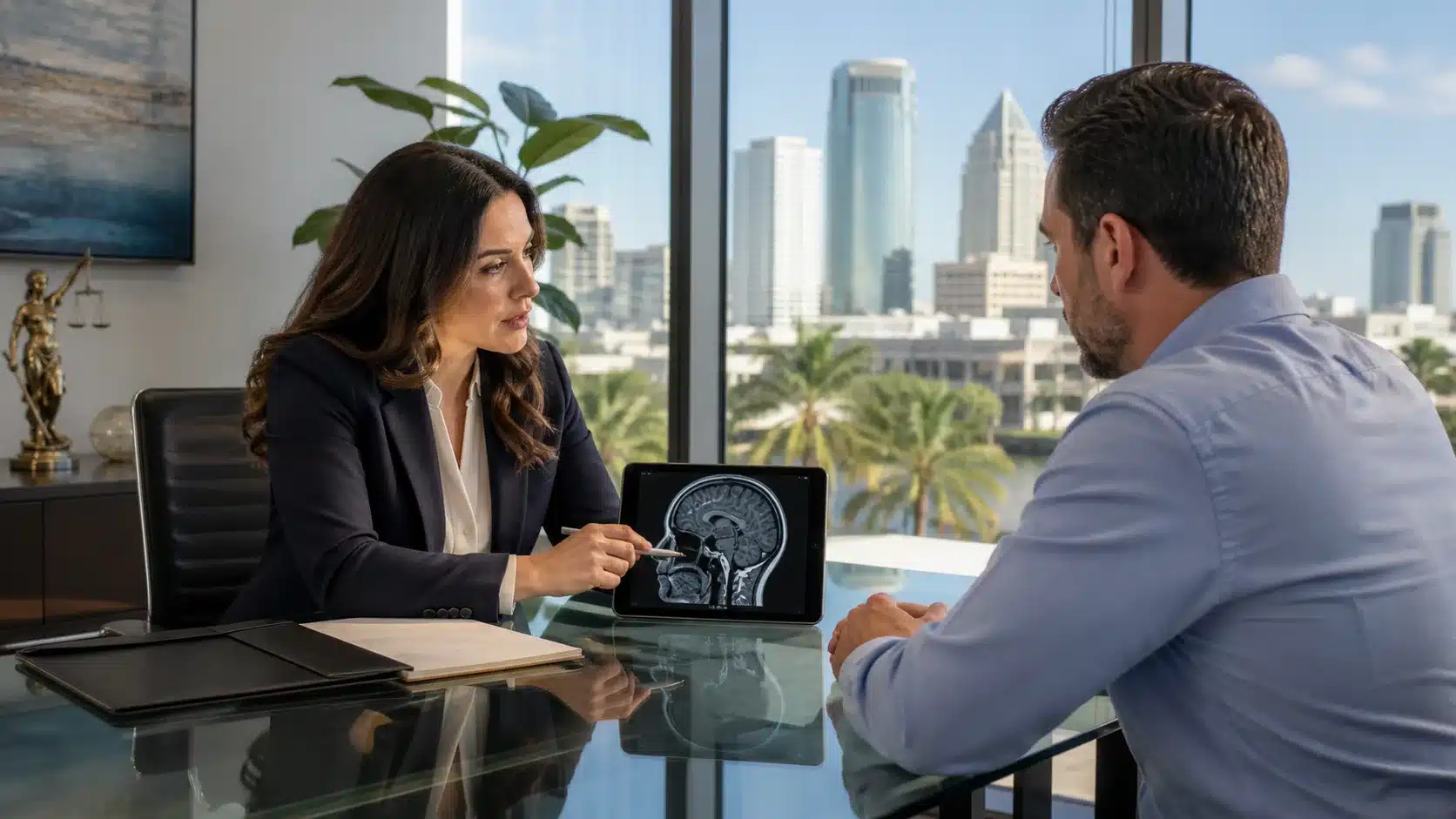
A possible stroke generally calls for prompt clinical assessment, neurological testing, and, when appropriate, imaging studies. Depending on the symptoms, medical history, timing, and available information, providers may consider CT scans, CT angiography, MRI studies, or other diagnostic steps.
In reviewing a missed stroke claim, we look closely at whether the medical team responded reasonably to the information available at the time. Concerns may arise when records show possible failures such as:
- Not performing or documenting an appropriate neurological examination
- Failing to order indicated imaging or misreading imaging results
- Dismissing worsening symptoms as migraine, anxiety, intoxication, or vertigo
- Delaying a specialist consultation or sending a patient home without proper evaluation
A bad outcome by itself does not prove medical malpractice. Still, delayed diagnosis or treatment can mean a lost chance for time-sensitive care. The effects may include greater brain injury, paralysis, speech problems, cognitive limitations, loss of independence, or wrongful death. We assess whether a delay may have fallen below the accepted standard of care and whether it caused additional injury.
How We Evaluate a Missed Stroke Claim
Medical records are often the starting point for a full review. We work to build a detailed timeline that shows when symptoms began, when a patient or family member reported them, what providers observed, and what treatment decisions followed. Important records may include ambulance reports, triage notes, emergency department records, imaging orders and results, medication records, specialist consultations, discharge instructions, and follow-up care documentation.
These cases can involve difficult questions about symptom progression, the timing of a stroke, imaging availability, and a patient’s existing health conditions. Qualified medical experts may be needed to determine whether the care met the applicable standard and whether earlier action could have made a difference.
As a diagnosis error lawyer in Tampa, we also help families understand the types of losses that may be involved in a claim. Depending on the circumstances, those losses can include medical bills, rehabilitation needs, lost income, reduced earning ability, pain and suffering, and long-term care needs. When a stroke is fatal, surviving family members may have questions about a wrongful death claim. Every case depends on its own facts, records, and expert review.
Protect Your Health and Preserve Your Legal Options
If stroke symptoms are possible, emergency medical care comes first. Even symptoms that improve can need prompt evaluation, and timely care may also create records that help explain what happened. We recommend keeping discharge papers and medical records, writing down when symptoms first appeared, and noting who was told about those symptoms.
Florida medical malpractice matters have important requirements and deadlines. Families who suspect a missed stroke diagnosis should avoid waiting to gather information, especially when records, memories, and medical questions will need careful review.
Get Clear Guidance for Your Family
At Greco, Wozniak & Ruiz-Carus, P.A., we can help you understand the next steps and evaluate the circumstances surrounding your loved one’s care. Speak with a diagnosis error lawyer in Tampa about the medical records, potential concerns, and legal options available to your family. To arrange a confidential discussion, contact us today.