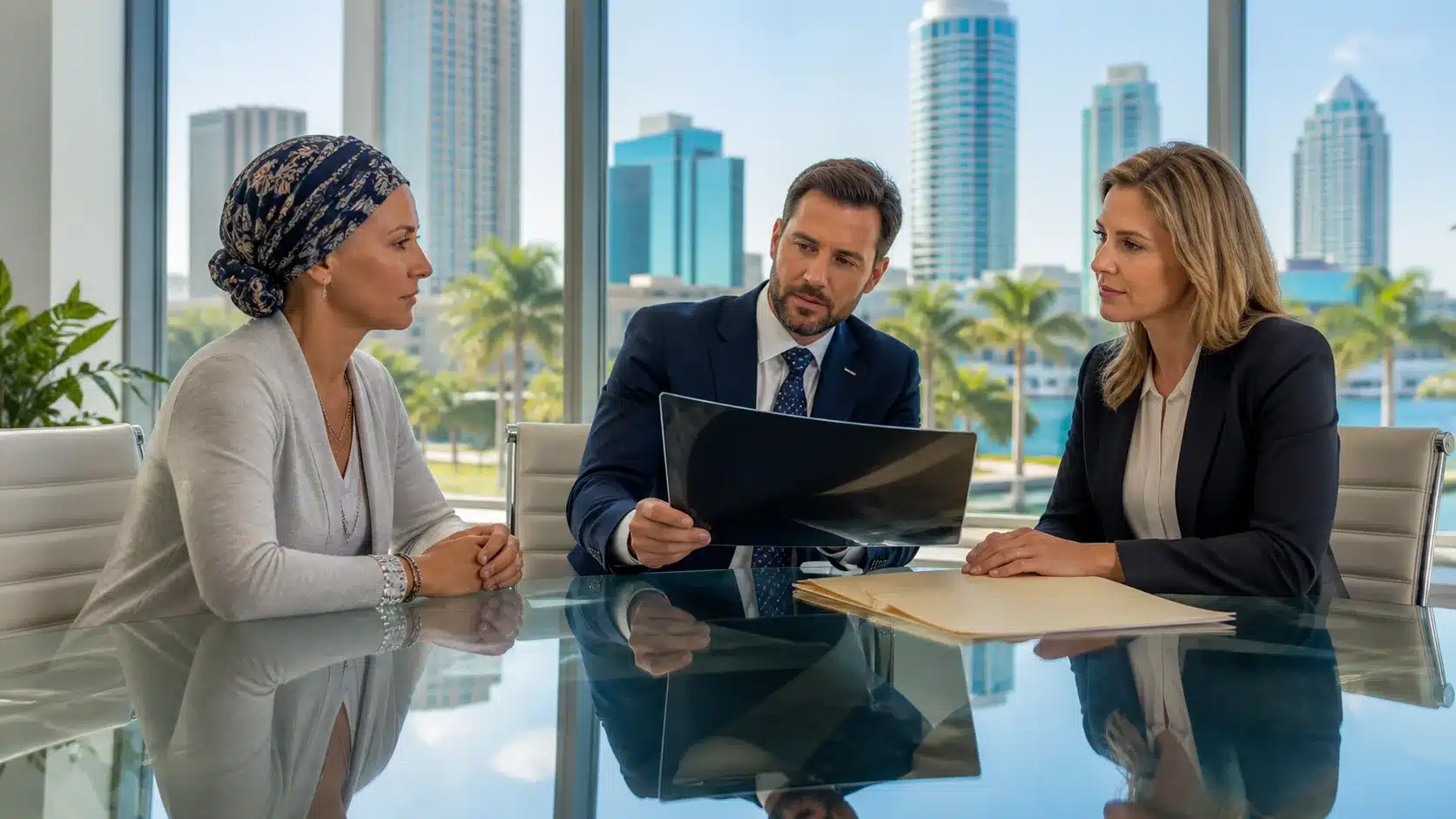
Your first month after a life-changing injury is not just about getting through each day. Those early choices can affect your health, your income, and your legal options for years. When injuries are severe, small steps like saving a receipt or going to one extra doctor visit can make a big difference later.
In Tampa, many catastrophic injuries come from car crashes, falls, or medical events that happen in a split second. The fallout is not simple. We wrote this checklist to help you and your family know what to save, who to see, and what to avoid in the first 30 days, so you have a stronger foundation for both recovery and any future case with a catastrophic accident lawyer.
Your First 30 Days After a Catastrophic Injury Matter Most
A catastrophic injury is one that changes daily life in a big way. In Florida, this often means injuries like:
- Spinal cord damage and paralysis
- Traumatic brain injuries or serious concussions
- Severe burns and major scarring
- Amputations or loss of limb function
- Multiple fractures that limit movement long-term
The first month matters because:
- Doctors are still figuring out the full extent of your injuries
- Evidence from the crash or incident can disappear quickly
- Insurance companies may already be building a case against you
A catastrophic accident lawyer can help organize the chaos. Early on, that often means guiding you on what evidence to keep, helping you stay on track with medical care, and watching important legal deadlines so you can focus on healing.
Build a Powerful Evidence File From Day One
Right after a serious crash, fall, or medical event, it is easy to think only about pain and shock. But evidence can be lost in hours or days, especially around Tampa where traffic, road work, and summer storms change scenes fast.
For the scene and accident details, try to:
- Take photos and videos of vehicles, hazards, floors, walkways, lighting, and road signs
- Capture weather conditions, like wet roads from a quick storm or puddles inside a business
- Save 911 call information, crash reports, and any incident or notice forms you filled out
In August, our area often has heavy afternoon rain, slick parking lots, and busy tourist traffic. If any of that played a part, photograph it. Construction zones, confusing detours, and blocked signs should also be documented.
Witnesses and digital data are just as important. When you can, or with a family member’s help:
- Get names, phone numbers, and email addresses for anyone who saw what happened
- Ask witnesses to write down or text what they remember while it is still fresh
- Preserve dashcam clips, store or apartment surveillance videos, rideshare footage, and photos or texts about the incident
Video systems often automatically erase footage within days. A catastrophic accident lawyer can send formal requests to businesses and companies to save that video before it disappears.
Do not forget physical evidence and personal records. Try to keep:
- Damaged clothing, shoes, helmets, car seats, and medical devices
- The vehicle itself or key parts, without repair, until you have legal guidance
- A folder with medical bills, pharmacy receipts, insurance letters, and pay records showing missed work
Starting a daily injury journal can help too. Write in your own words about:
- Pain levels and where you hurt
- Sleep problems or headaches
- Mood changes, anxiety, or fear
- Things you can no longer do, from walking the dog to driving or working
Critical Medical Steps to Protect Your Health and Your Case
Right after a serious accident, some people try to “shake it off” or wait and see. That can hurt both your health and any future claim. Getting emergency care in Tampa, even if pain feels manageable at first, helps catch hidden injuries and shows a clear link between the event and your symptoms.
When you speak with medical providers, be specific about how you got hurt. Explain if it was a rear-end crash, a fall on a wet floor, a problem during a medical procedure, or something else. Those details in your records help connect your injuries to the cause.
Do not wait weeks for follow-up care. Quick follow-up with primary care, trauma doctors, or specialists avoids gaps in treatment that insurance companies often use to argue your injuries were not serious.
For catastrophic injuries, you may need several types of specialists, including:
- Brain injuries: neurologist, neuropsychologist, and sometimes a concussion or TBI clinic, even when CT scans or MRIs look “normal”
- Spine and orthopedic injuries: orthopedic surgeon, neurosurgeon, and physical medicine or rehabilitation doctors
- Severe burns or complex wounds: burn centers, plastic surgeons, and therapists who understand scarring and loss of function
Keep copies of test results, imaging disks, prescriptions, and discharge papers. It helps to keep a simple calendar where you mark:
- Every appointment
- Every day you miss work for treatment
- Any canceled or rescheduled visits and the reason
Going to therapy and follow-up appointments on a consistent schedule supports both your recovery and the value of your claim. A catastrophic accident lawyer can also help connect you with independent experts who can explain future surgeries, long-term care needs, and future costs.
Time-Sensitive Legal Moves in Florida Catastrophic Cases
Florida has deadlines for bringing legal claims. Some, like medical malpractice, claims against government bodies, or wrongful death, can involve special notice rules and tight timelines. Waiting too long to talk with a lawyer can close doors that are hard or impossible to reopen.
Early legal help can:
- Secure experts while evidence is still fresh
- Send letters to preserve video and physical evidence
- Shield you from giving insurance statements that may be twisted or taken out of context
For very minor injuries, some people try handling claims alone. With catastrophic injuries, the risks are much higher, because the losses can last a lifetime.
You still usually need to notify your own auto, health, or homeowners insurance. When you do:
- Report basic facts, like time and place
- Do not guess about fault or speed
- Avoid saying you feel fine or are “okay” when you are still being evaluated
Be careful with recorded statements for the at-fault insurer. Innocent comments, confusion about details, or efforts to sound polite can be used later to question your injuries. Having a lawyer handle or attend these calls helps protect you.
Catastrophic cases often involve:
- Lifetime medical care, from surgeries to medication and home modifications
- Lost earning capacity, if you cannot return to your old job or any job at all
- In-home help, transportation needs, and adaptive equipment
There are also non-economic harms, like pain, disfigurement, loss of independence, and strain on family relationships. Tampa-based experts like life-care planners, vocational experts, and economists can help paint a full picture of what fair compensation should cover.
Costly Mistakes to Avoid in the First 30 Days
Some of the biggest problems we see start in the first month after the accident. Common missteps include:
- Delaying medical care because you hope it will “just get better”
- Large gaps in treatment or skipped follow-up visits
- Repairing or throwing away key evidence, like a damaged car or footwear
Social media can also hurt your claim. Posts about vacations, workouts, parties, or even smiling photos can be pulled out of context. Defense teams may argue that your life is not as limited as you say, even if you were forcing yourself through pain.
On the financial and paperwork side, watch out for:
- Signing broad releases or quick settlement offers before you know your long-term medical needs
- Ignoring hospital liens, health insurance, or Medicare issues
- Missing records from your employer about missed time, job changes, or reduced hours
Emotional and practical support matters too. Trying to handle every form, call, and appointment by yourself can be overwhelming. Let trusted family and friends help gather records, drive you to appointments, and keep notes.
Also, do not ignore emotional trauma, anxiety, or depression. Counseling or mental health care can be an important part of recovery and may be part of your damages. In our hot Tampa summers, plan ahead for safe transportation to appointments, staying hydrated, and not overdoing outdoor activity on hard days.
Take Control of Your Recovery and Legal Rights Now
Those first 30 days after a catastrophic injury are about more than just getting through each night. They are about fast medical care, saving key evidence, communicating smartly with insurance companies, and avoiding choices that weaken your future case.
At Greco, Wozniak & Ruiz-Carus, P.A., our team in Tampa focuses on serious medical malpractice, catastrophic injury, and wrongful death matters across Florida. A knowledgeable catastrophic accident lawyer can step in to manage investigations, deal with insurers, and connect you with trusted medical and legal experts, so you and your family can put energy into healing while your rights are protected.
Take the First Step Toward Rebuilding Your Life After a Catastrophic Injury
If you or a loved one has suffered life-changing injuries, our team at Greco, Wozniak & Ruiz-Carus, P.A. is ready to listen and help you understand your legal options. Speak with an experienced catastrophic accident lawyer who can evaluate your case and pursue the full compensation you may deserve. We will guide you through each stage of the process, from the first conversation to final resolution. To schedule a confidential consultation, please contact us today.