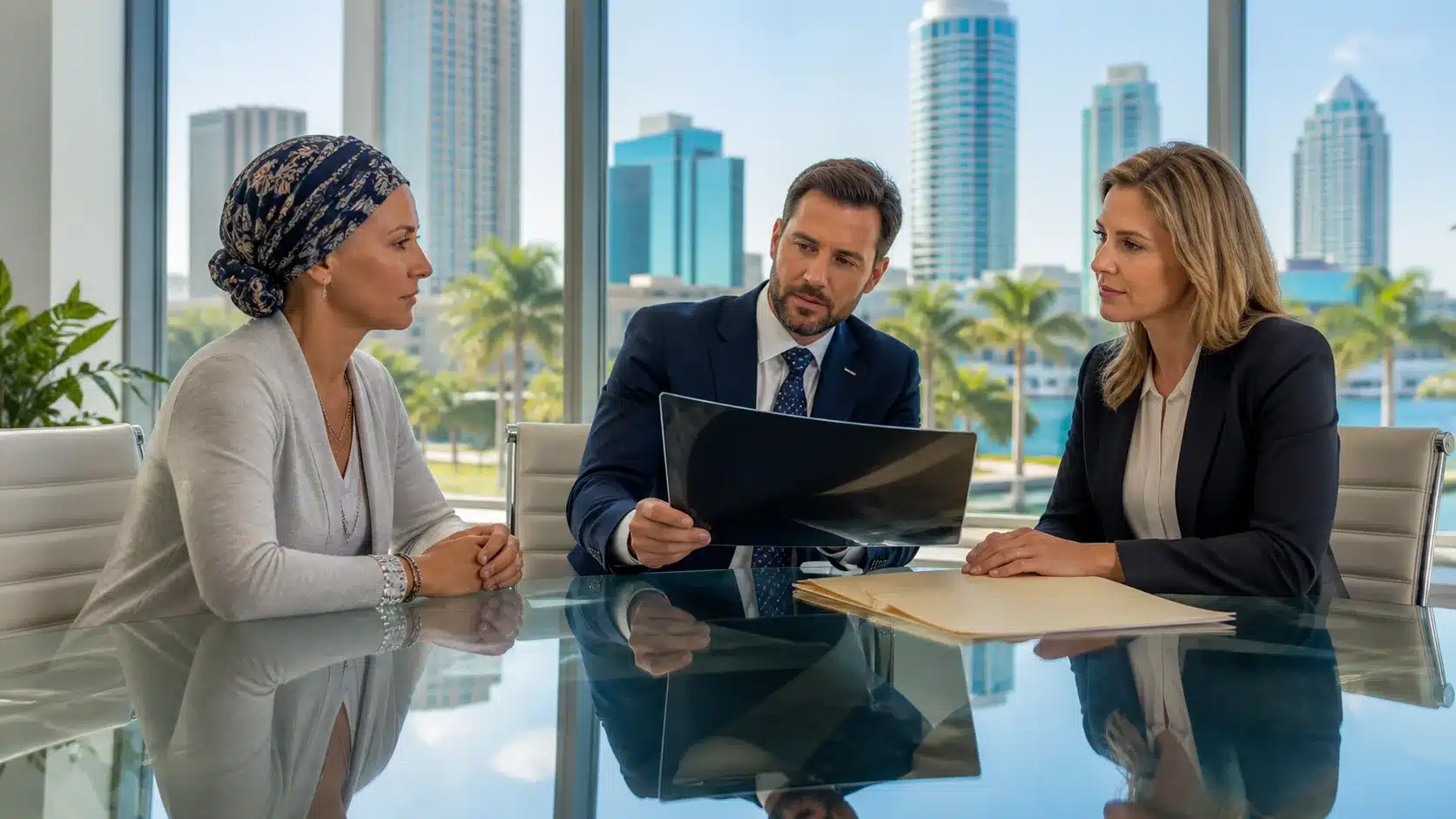
Protecting Your Rights After a Florida Vacation ER Error
A quick trip to Tampa can change fast when an emergency sends you to the ER. If something goes wrong there, and you later learn that the care may have been negligent, it is normal to feel confused and worried, especially if you live in another state.
You may be back home, dealing with pain, bills, and follow-up treatment, while the ER, doctors, and records are all in Florida. You might be asking which state’s laws apply, where you can sue, how to get your records, and how much time you have to act. Our goal here is to walk through those issues in clear language so you can better understand your options after a Tampa ER mistake.
For visitors, snowbirds, cruise passengers, and families in town for summer trips or school breaks, Florida law can feel far away once you leave the state. A Tampa-based medical malpractice firm like ours can help you sort out jurisdiction, protect evidence, and keep track of Florida’s deadlines while you focus on healing at home.
When You Can Sue in Florida for a Tampa ER Mistake
Most of the time, a medical malpractice case involving a Tampa ER belongs in Florida courts. That is because:
- The care and alleged negligence took place in Florida
- The ER, hospital, or clinic is located in Florida
- The doctors or nurses were practicing under Florida licenses
Even if you live in another state, Florida law usually controls a claim that comes from care you received in a Florida facility. In some situations, there can be choices about which county in Florida is the right place to file, but the case itself is generally a Florida case.
People often worry that this will mean constant travel. In many malpractice matters, a large part of the work can be handled while you remain in your home state. A Florida emergency room error lawyer can:
- Communicate with you by phone or video
- Exchange documents through secure online systems
- Work with your local doctors who are now treating you
- Only ask you to come to Florida when it is truly needed, such as key hearings or trial
Where to file and how to handle travel are strategy issues that should be discussed early so the plan fits your health, schedule, and family needs.
Getting Florida ER Records When You Live in Another State
Medical records are the backbone of any ER error case. These records show what happened, who was involved, and what was done or not done. Important items often include:
- Triage notes and nursing assessments
- Doctor’s exam notes and orders
- Lab results, CT or MRI reports, and X-rays
- Medication orders, timing, and doses
- Discharge instructions and follow-up advice
When you are back home, it can feel hard to get those Florida records. A few practical steps can help:
- Contact the hospital’s medical records department and ask about their process
- Fill out HIPAA-compliant authorization forms so records can be released
- Sign up for any available patient portal to download what you can
- Keep copies of your discharge paperwork and bills from the ER visit
Sometimes records come slowly or are incomplete. That can affect your timeline. An attorney can step in to:
- Send formal written requests for full charts and imaging
- Ask that key data, like monitor strips, be preserved
- Compare the Florida ER records with your later care at home to help show how the ER mistake led to new or worse harm
Having someone local to Florida handling these pieces can ease a lot of stress while you focus on treatment.
Florida Deadlines for Filing a Malpractice Claim After an ER Error
Medical malpractice claims in Florida must be brought within a set legal time limit, called a statute of limitations. If you miss that window, you can lose the right to pursue compensation, even if the care was clearly negligent.
In many cases, the clock starts on the date of the ER care that caused the injury. Sometimes, though, the problem is not clear right away. Florida law has rules that address situations where the injury is discovered later, but those rules are specific and should not be assumed to apply without careful review.
For visitors and seasonal residents, timing can be tricky:
- The deadline usually runs from when the Florida care happened, not when you got home
- Waiting to see if things improve can eat up months of your filing window
- Delays in getting records can also shorten the time your attorney has to investigate
Florida also has a pre-suit process for malpractice. Before a lawsuit is filed, there must be:
- A presuit investigation by your legal team
- A review by a qualified medical expert
- A formal notice of intent to each potential defendant
These steps take time and must occur within the overall deadline. That is why speaking with a Florida emergency room error lawyer sooner rather than later is often very important.
Building a Strong ER Error Case From Out of State
Emergency rooms are busy and fast-moving. Mistakes can happen, and visitors can be hit especially hard because they are far from their usual doctors and support. Common ER errors that can affect out-of-state patients include:
- Missing signs of a heart attack or stroke
- Not ordering needed imaging, such as CT or MRI
- Medication mix-ups or wrong doses
- Delayed treatment for serious infection or injury
- Unsafe discharge when the patient should have been admitted
For non-residents, building the case often involves connecting care in two places: what happened at the Tampa ER, and what happened later with your local providers. A Tampa-based attorney may:
- Gather and review records from the Florida ER and your home-state doctors
- Work with Florida-licensed medical experts to assess whether ER staff met the standard of care
- Build a clear timeline that shows when symptoms started, what was reported, and how staff responded
- Evaluate damages that include missed work, travel problems, and long-term treatment at home
Logistics matter too. Good communication can keep the process from taking over your life. Many out-of-state clients prefer:
- Phone and video meetings instead of in-person visits
- Secure electronic signing of forms
- Clear updates about case progress without constant calls
- Coordination between the legal team and local therapists, specialists, and primary care clinics
Handled well, a Florida malpractice case can move forward while you continue to live your daily life in another state.
Steps to Take Now If You Suspect a Tampa ER Error
If you think a Tampa ER visit made your condition worse, there are a few practical steps you can start right away from wherever you are:
- Write down your symptoms, what staff told you, and how long you waited
- Save every discharge paper, bill, referral, and prescription bag
- Keep a simple health journal about pain, new symptoms, and missed work
- Get prompt follow-up care near home and tell your doctors about the ER visit
- Avoid posting details about your medical situation or potential case on social media
These actions help protect your health and also help your legal team later. Clear notes and records can make it easier to show what went wrong and how it changed your life.
A Tampa emergency room error lawyer can then review the facts, look at where the care happened, and explain how Florida law may apply to your situation as an out-of-state visitor. With guidance from someone familiar with Florida malpractice rules, you can better understand your options while staying focused on recovery.
Greco, Wozniak & Ruiz-Carus, P.A. is a Tampa-based law firm concentrating on medical malpractice, personal injury, and wrongful death. We work with patients and families, including many who live outside Florida, to investigate serious ER mistakes, secure records, and move cases forward within Florida’s required timelines.
Take the Next Step Toward Accountability And Recovery
If you believe an ER mistake harmed you or a loved one, we are ready to review what happened and explain your options. As your trusted emergency room error lawyer, we carefully investigate medical records, timelines, and hospital policies to build a clear picture of what went wrong. At Greco, Wozniak & Ruiz-Carus, P.A., we focus on helping patients and families pursue the accountability and compensation they deserve. To discuss your situation confidentially, please contact us today.