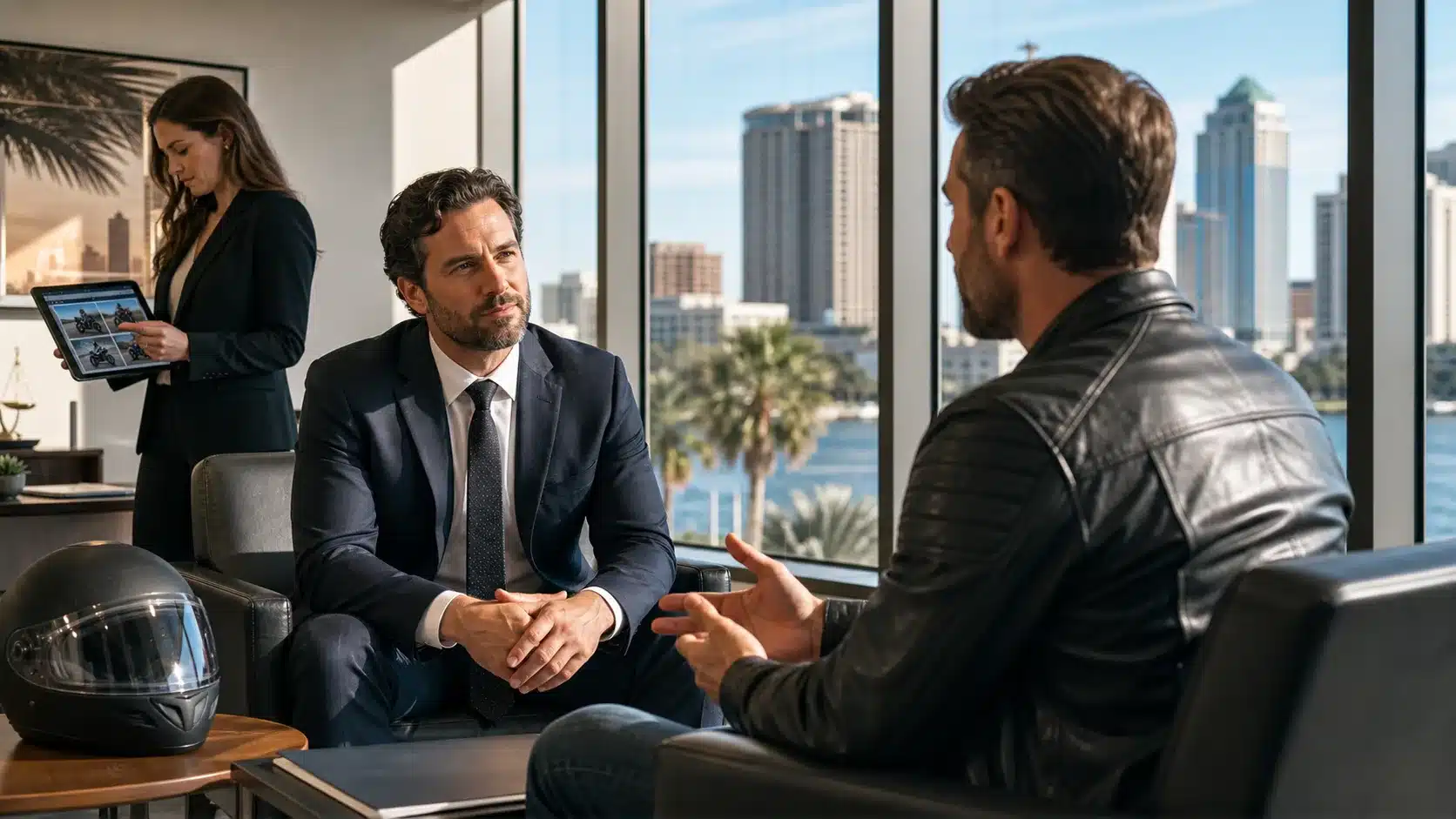
Head injuries can change your life, even when doctors call them “mild.” After a crash, fall, or hit to the head, you might walk away, drive home, and think you are okay. Then the headaches, brain fog, and mood changes start. This kind of injury is often called a mild traumatic brain injury or a closed-head injury, and it can be very hard to prove in an insurance claim.
At our Tampa law firm, we see how these hidden injuries are doubted and brushed off. In this article, we explain why mild head injuries are so tricky, how testing and symptom diaries help, what neuropsychological exams show, and how insurance companies often fight these claims. We also share practical steps to protect your rights after a head injury here in Tampa.
Why Mild Head Injuries Are so Hard to Prove
A mild traumatic brain injury usually happens when your head is hit, shaken, or jolted. The skull stays closed, so there is no open wound on the brain, which is why it is often called a closed-head injury. These injuries are common after:
- Car crashes on busy Tampa roads
- Falls in stores, parking lots, or homes
- Sports collisions and recreational activities
- Summer travel accidents with crowded streets and distracted drivers
On the outside, a person may look fine. There may be no stitches, no broken bones, and no cast. But inside the skull, the brain can move and twist. That can stretch and damage tiny nerve fibers. The results can include:
- Memory problems and forgetfulness
- Short temper or mood swings
- Trouble focusing at work or school
- Sensitivity to light, noise, or screens
Friends, coworkers, and even some doctors may say it is just stress, age, or lack of sleep. Symptoms can also be delayed, showing up days or weeks after the accident. Because of this, early legal guidance from a Tampa head trauma lawyer can be very important. A lawyer can help you document changes from the start, instead of trying to piece everything together months later when the insurance company is already arguing against you.
Modern Diagnostics for Mild TBI and Closed-Head Trauma
After an accident, many people go to an ER or urgent care. The standard tests there often include:
- CT scan to rule out bleeding or a skull fracture
- Short neurological check, like following a finger with your eyes
- Basic questions about where you are and what day it is
These tests are good for catching emergencies, but they often look normal in mild TBI cases. Insurance companies like to point to that normal CT scan and say, “See, nothing is wrong.” That can be very misleading.
Later on, Tampa medical providers may order more advanced tests, such as:
- MRI to look at brain structures in more detail
- DTI, a type of MRI that can show changes in white matter pathways
- Vestibular and balance testing if you have dizziness or motion problems
These tools can support a diagnosis, but even advanced imaging is not perfect. Many people with real head injuries still have scans that look normal on paper. That is why a head trauma lawyer often works closely with neurologists, rehabilitation doctors, and other specialists. Together, they can:
- Document every symptom and test result over time
- Rule out other possible causes for your problems
- Build a medical record that helps a jury understand what happened
Using Symptom Diaries to Capture Hidden Daily Struggles
One of the most powerful tools in a mild TBI claim is also one of the simplest: a symptom diary. Life in Tampa can be very active, especially in the summer with more driving, family events, and travel. A diary helps show how your head injury affects that daily life.
Things to track in your diary can include:
- Headaches: time of day, how long they last, what you were doing
- Dizziness, balance issues, or feeling “off” when walking or riding in a car
- Light or noise sensitivity, including problems at stores, restaurants, or on screens
- Sleep trouble: trouble falling asleep, waking up often, or sleeping far more than usual
- Mood changes, irritability, or feeling unlike yourself
You can also write down:
- Missed workdays or leaving work early
- Times you avoid driving across town or being a passenger
- Social events you skip because of noise, lights, or fatigue
This kind of diary is not just for you. It can support what your doctors say and help show that your symptoms are consistent over time. When an insurance company claims you are exaggerating, a well-kept diary helps your head trauma lawyer point to day-by-day notes that match medical visits, missed work, and comments from family members.
Neuropsychological Testing and Proving Cognitive Loss
Neuropsychological testing is a detailed way to measure how your brain is working after a head injury. It does not look at the structure of the brain like an MRI. Instead, it checks how you think, feel, and process information.
A typical evaluation may include:
- A clinical interview about your history, education, job, and symptoms
- Standardized tests that measure memory, attention, processing speed, and problem-solving
- Questionnaires that explore mood, anxiety, and emotional changes
- Validity checks that look for poor effort or inconsistent answers
Your scores are compared to what is expected for someone similar in age and education. This can highlight specific areas where your brain is not working like it used to, even if you look okay on the outside.
A Tampa attorney handling head trauma cases often works closely with the neuropsychologist to:
- Connect your test results to the crash, fall, or other incident
- Show how deficits affect your work, school, and home life
- Respond to arguments that your problems are only psychological or were always there
This testing can be especially important if your job is demanding, if you are a student, or if your daily life depends on clear thinking, quick reactions, and memory.
Exposing Common Insurance Defense Tactics in Mild TBI Cases
Insurance companies use many tactics to limit payouts in mild head injury claims. Some common ones are:
- Pointing to a normal CT or MRI to say you are not injured
- Blaming preexisting conditions, such as old head bumps, prior anxiety, or past learning issues
- Hiring “independent” doctors who spend little time with you and write short reports
- Watching your social media for photos that can be used out of context
- Suggesting you are exaggerating or seeking money instead of care
In Florida, insurers may also try to use comparative fault rules to their advantage. For example, in multi-car summer crashes with tourists and local drivers, they may argue you were partly at fault to cut down what they pay.
An experienced head trauma lawyer prepares for these moves. That preparation can include:
- Getting strong records and opinions from your treating doctors
- Preparing you for defense medical exams so you know what to expect
- Gathering testimony from family, friends, and coworkers about how you changed after the accident
All of this helps build a more complete and honest picture of your life before and after the injury.
Protecting Your Rights After a Head Injury in Tampa
If you think you may have a mild TBI or closed-head injury from a Tampa accident, your steps in the first days and weeks can matter a great deal. Helpful actions often include:
- Seeking prompt medical care, even if you feel “mostly okay”
- Following treatment plans and going to follow-up appointments
- Starting a symptom diary right away and keeping it as detailed as you reasonably can
- Saving photos, accident details, and contact information for any witnesses
- Limiting social media posts about your injuries, activities, or the accident
Florida has time limits for injury and wrongful death claims, so waiting too long can affect your options. At Greco, Wozniak & Ruiz-Carus, P.A., we focus on helping people hurt by medical negligence, serious accidents, and wrongful death events. When it comes to mild head injuries, we know how to work with doctors, review diagnostic options, and build a strategy that fits your specific situation so your story is heard and your struggles are taken seriously.
Protect Your Rights After a Serious Head Injury
If you or a loved one suffered head trauma, our team at Greco, Wozniak & Ruiz-Carus, P.A. is ready to evaluate your situation and explain your options. A dedicated head trauma lawyer from our firm can help you pursue compensation for medical care, lost income, and long-term needs. We will handle the legal details so you can focus on your recovery. To schedule a consultation and get clear answers about your next steps, please contact us today.