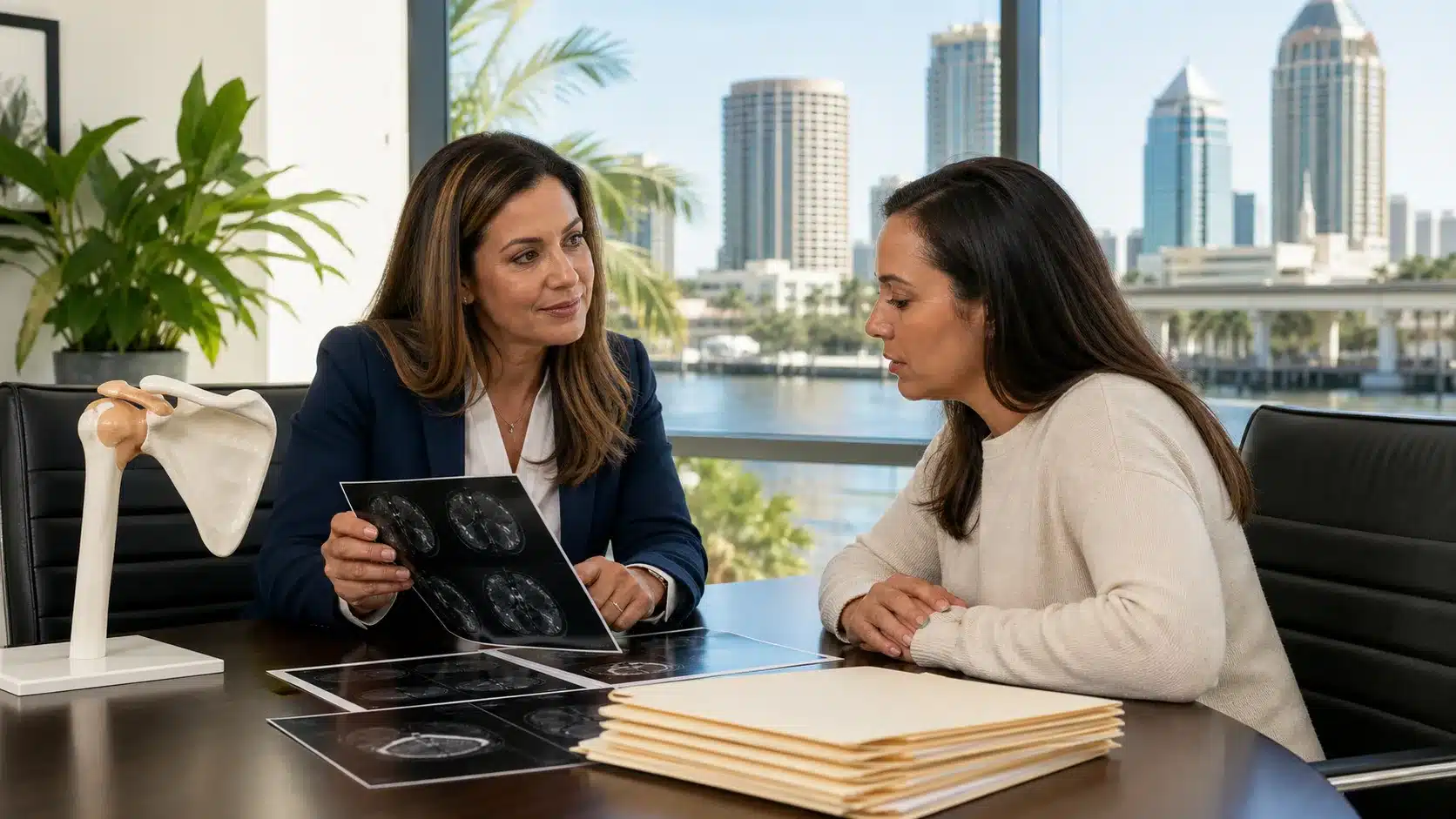
Getting a cancer diagnosis is scary, and it is even harder when something just does not feel right. Maybe your symptoms do not match what you are being told, or your test results keep changing. When that happens, it is reasonable to slow things down and double-check. Your health and your future are worth that extra care.
In this article, we share clear, practical steps Tampa patients can take to confirm or question a suspected cancer diagnosis. We talk about second opinions, pathology reviews, and key questions to ask. Our goal is to help you feel more prepared, a little less overwhelmed, and better able to protect yourself and your family.
Recognizing When a Cancer Diagnosis May Be Wrong
Cancer misdiagnosis can happen, especially in busy hospitals and clinics where doctors see many patients every day. When a cancer diagnosis is wrong, it can lead to serious problems, such as:
- Delayed treatment for the real condition or real cancer
- Unnecessary chemotherapy, surgery, or radiation
- More pain, side effects, and hospital stays
- Extra stress on your family and your finances
Some “red flag” situations that should make you pause include:
- Your symptoms do not match the cancer type you were told you have
- Your test results keep changing and no one explains why in plain language
- A doctor dismisses new or worsening symptoms without more testing
- You feel rushed into treatment decisions with little time for questions
The emotional toll is heavy. Many people feel fear, pressure, and confusion. You might feel guilty for even thinking your doctor could be wrong. We want you to know it is not rude or disloyal to double-check. It can be lifesaving.
As late spring turns into summer, many people in the Tampa area are planning trips, kids are coming out of school, and schedules get busy. It can be easy to push medical worries aside. If you have a nagging concern about your diagnosis, try not to ignore it, even when life gets hectic.
Smart First Steps When You Suspect a Misdiagnosis
If you think something may be off with your cancer diagnosis, a few organized steps can make a big difference.
First, gather and organize your records. Ask for copies of:
- Imaging reports, such as CT scans, MRIs, and X-rays
- Pathology reports from biopsies or surgeries
- Lab results, like blood work and tumor markers
- Consult notes from specialists and oncologists
- Hospital discharge summaries from Tampa-area facilities
Keep everything in one folder, paper or digital. Write the dates on the front of each record so you can see the order of events.
Next, start documenting your symptoms. You can use a simple notebook or a notes app. Write down:
- Date and time your symptoms appear
- How strong they are, on a simple 1 to 10 scale
- What makes them better or worse
- Any side effects from treatments or medications
As you write, note any gaps between what you feel and what your doctor has said. For example, if your doctor says your cancer should cause weight loss, but you are gaining weight and swelling, that difference matters.
When you talk with your current doctor, try to stay calm and clear. Some helpful questions are:
- How did you reach this diagnosis?
- What other conditions did you rule out, and how?
- Are there more tests or referrals that could confirm this?
- Would you support me getting a second opinion?
You can also consider speaking with a cancer misdiagnosis attorney early on. This is not about rushing into a lawsuit. It is about protecting your rights, learning what time limits may apply, and making sure important records and notes are preserved in case a serious mistake occurred.
Getting a Second Opinion That Truly Protects You
Not all second opinions are the same. A quick hallway chat between two doctors who work together is very different from a full, independent review by another oncologist or cancer center that is not tied to the first provider.
When seeking a strong second opinion, Tampa patients can:
- Ask their primary doctor for referrals to another cancer specialist
- Check that the new doctor is board certified in the right area
- Ask how often that specialist treats your suspected cancer type
- Try to choose a practice that is independent from your first doctor or hospital
As late spring and early summer arrive, some clinics may have more openings as people travel or shift schedules. A short wait for the right expert is usually safer than jumping into major treatment when you still have doubts. Many cancers allow time for a thorough review, and it is reasonable to ask your doctor about the risks of a brief delay for a second opinion.
A cancer misdiagnosis attorney can sometimes help you identify reputable experts for these second opinions. They can also help make sure that complete records and imaging are sent on time, so the second doctor has everything needed to give a careful review.
Why a Pathology Review Can Change Everything
For many people, the entire cancer diagnosis rests on one pathology report. A pathologist is the doctor who looks at cells and tissue under a microscope. If that report is wrong, every decision that follows can be wrong too.
A fresh pathology review by an independent pathologist can uncover:
- A different cancer type than first reported
- A different cancer grade, meaning more or less aggressive
- That the tissue is not cancerous at all
To request a pathology review, you can:
- Ask the hospital pathology department to release your slides
- Work with your second opinion doctor’s office to have the slides sent
- Confirm that the reviewing pathologist has experience with your tumor type
A pathology review is especially important when:
- You have a rare cancer diagnosis
- Imaging results and lab tests do not match the pathology report
- Treatment is being pushed very quickly, with little explanation
- The diagnosis came from a very small biopsy sample
During malpractice investigations, experienced attorneys often rely on independent pathology and radiology reviews. These help show whether a misdiagnosis likely occurred and if the medical care stayed within or fell below accepted standards.
Key Questions to Ask Your Doctors Right Now
When you go to appointments, bring a written list of questions so you do not forget them. Some helpful questions include:
- How certain are you about this diagnosis?
- What other conditions could be causing my symptoms?
- Which specific tests support your conclusion?
Risk-focused questions can also give you important clarity:
- What happens if we wait for a second opinion before starting treatment?
- What are the risks if this is the wrong cancer type or stage?
- Are there more tests or scans we should do before we begin treatment?
You can also ask communication and experience questions, such as:
- How many cases like mine do you treat each year?
- Who reviewed my biopsy and my scans?
- Should a subspecialist review them as well?
Ask your doctor to explain answers in plain language, and take notes or ask if you can record the conversation on your phone. These written details can be very important if a cancer misdiagnosis attorney later needs to look at whether the standard of care was followed and if a preventable error occurred.
When to Call a Cancer Misdiagnosis Attorney in Tampa
There are certain times when talking with a local cancer misdiagnosis attorney should not be delayed. Examples include:
- A cancer diagnosis that was later reversed or significantly changed
- Major treatment, like surgery or chemotherapy, that turned out to be unnecessary
- A long or unexplained delay in diagnosis that allowed the cancer to grow or spread
At Greco, Wozniak & Ruiz-Carus, P.A., we focus on medical malpractice cases, including potential cancer misdiagnosis. Our team reviews medical records, works with independent medical experts, and studies the timeline of what happened. We also advise patients and families about Florida’s specific deadlines and notice rules, which can be strict and confusing.
During a confidential consultation, you can expect an honest conversation about whether malpractice may have occurred and what your options might be. We guide you on how to protect key evidence while you keep your main focus on your health and your family. If you believe a mistake was made, especially as busy summer months approach, getting early legal guidance can help protect your rights and support your future.
Take Action To Protect Your Rights After A Missed Diagnosis
If you believe a delayed or missed cancer diagnosis has harmed you or a loved one, our team at Greco, Wozniak & Ruiz-Carus, P.A. is ready to review what happened and explain your options. Speak with a dedicated cancer misdiagnosis attorney who understands the medical and legal issues involved in your case. We will walk you through each step, from gathering records to pursuing fair compensation, so you are never left wondering what comes next. To get started, reach out and contact us for a confidential consultation.