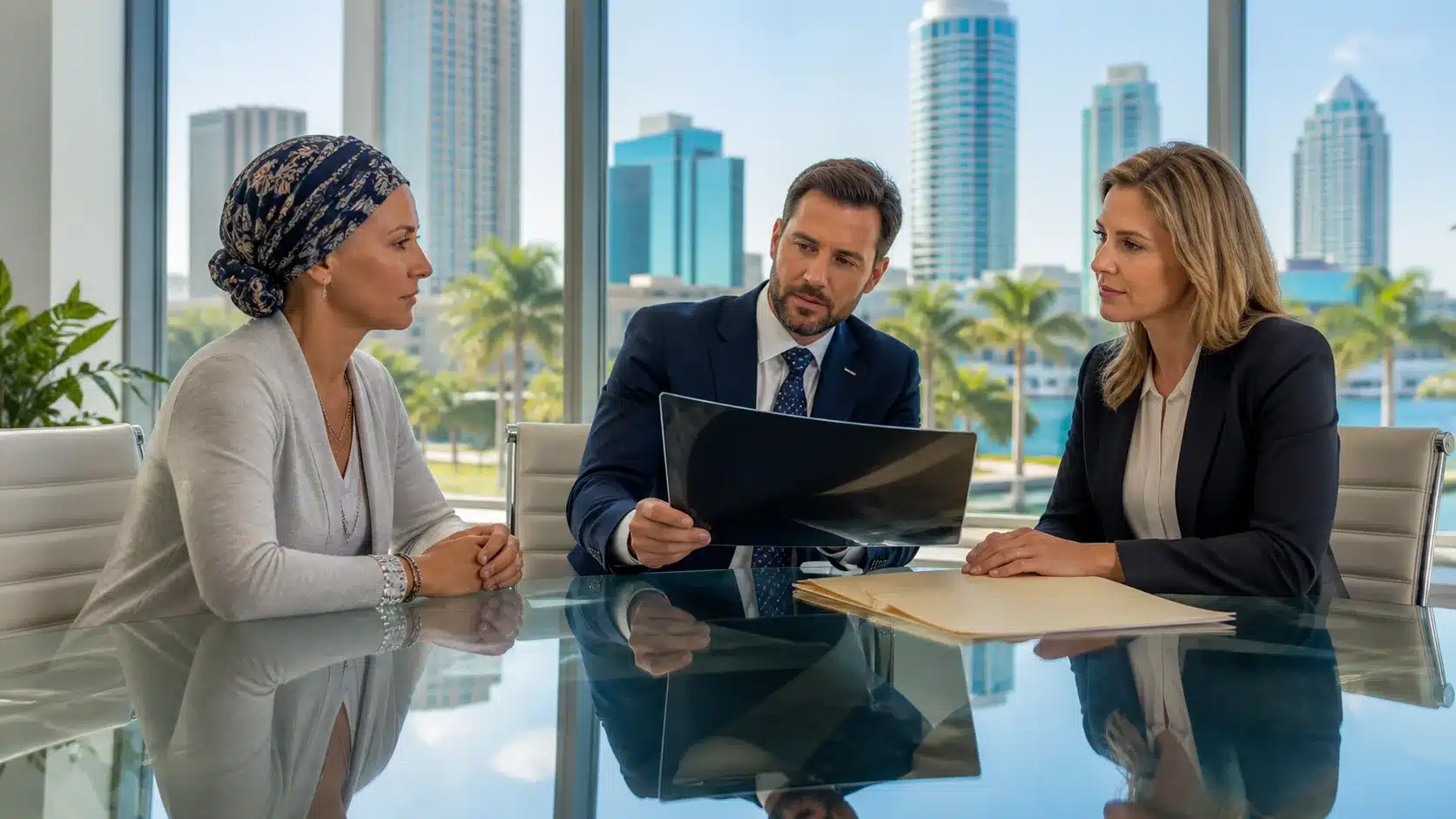
When a “Routine” Tampa Surgery Turns Dangerous
A surgery can feel like the hard part is over. The doctor clears you, the nurse hands you a packet of papers, and you head home thinking you are on the road to healing. Then symptoms start, pain gets worse, or breathing feels off, and no one seems to take it seriously. What should have been a normal recovery can turn scary very fast.
The hours and days after discharge are often when problems show up. If doctors, nurses, or hospitals do not give clear instructions or respond to warning signs, a fixable issue can grow into a medical crisis. When that happens because someone did not do their job safely, it may be medical malpractice under Florida law, not just bad luck.
At our Tampa law firm, we see how poor post-op discharge, medication mistakes, and ignored red flags can change a family’s life. We focus on helping people understand what went wrong and whether a post-surgery complication lawyer can hold the right parties responsible.
How Post-Op Discharge Failures Happen in Tampa Hospitals
After surgery, discharge is supposed to be a careful, organized process. Before a patient leaves, the team should:
- Review what surgery was done and what to expect in recovery
- Go over medications, including what is new and what to stop
- Explain wound care and activity limits in simple, clear terms
- Set a follow-up visit and explain when to seek urgent care
During busy seasons, such as summer when travel and elective procedures often increase, hospital staff can be stretched thin. In that rush, important steps get skipped. A nurse might feel pressure to move patients out quickly. A doctor may sign off without checking if the patient or family understands what to watch for.
Common discharge failures include:
- No written instructions or paperwork that is hard to read or understand
- Not checking if the patient speaks English well enough to follow directions
- Failing to include family or caregivers in the discharge talk
- Little to no teaching on how to clean a wound, change bandages, or limit activity
There can also be system problems behind the scenes. Understaffing means fewer people double-check medications or follow-up plans. Poor communication between the surgeon and the hospitalist can lead to mixed messages about what is safe at home. Electronic chart errors can cause missing or wrong information in the discharge summary.
When these gaps line up, a patient may leave the hospital without the tools needed to stay safe.
When Missed Warning Signs and Medication Errors Become Malpractice
Not every bad outcome is malpractice, but some warning signs should never be brushed off. After surgery, red flags often include:
- High fever or chills
- Spreading redness, heat, or foul-smelling drainage near the incision
- Sudden chest pain, shortness of breath, or rapid heart rate
- Confusion, trouble waking up, or major behavior changes
- Pain that gets worse, not better, despite medication
If a patient calls with these symptoms and is told it is “normal,” or is sent home from an ER without proper testing, that can be very dangerous. A delay in care can lead to infection, blood clots, or organ failure that could have been prevented with a timely response.
Medication errors around discharge are another common source of harm. Problems can include:
- Prescribing the wrong drug or the wrong dose
- Giving two drugs that should not be taken together
- Failing to consider the patient’s current medications or health conditions
- Conflicting instructions from different providers about what to take
These errors can cause internal bleeding, kidney or liver damage, severe infections, or blood clots. Under Florida law, this may be malpractice when a reasonably careful doctor, nurse, or hospital would have given safer instructions, checked for conflicts, or responded differently to the patient’s symptoms.
A post-surgery complication lawyer can review medical records, speak with expert witnesses, and compare what happened to accepted medical standards and hospital policies. That helps show where the care fell below what the law requires.
Proving a Post-Op Discharge Malpractice Case in Florida
In Florida, medical malpractice cases usually focus on four main points:
- Duty of care: The provider had a legal duty to treat the patient safely.
- Breach: The provider failed to meet the accepted standard of care.
- Causation: That failure caused or worsened the patient’s injury.
- Damages: The patient suffered losses, such as medical bills, lost income, pain, or death.
In a post-op discharge case, we start by collecting every record we can find. That often includes hospital charts, discharge papers, prescriptions, and notes from follow-up visits or ER trips. We compare what the hospital says its discharge process should be with what actually happened.
We often:
- Review discharge instructions for clarity, accuracy, and completeness
- Talk with nurses, staff, and family members about what was said at discharge
- Work with medical experts to explain how proper follow-up would likely have changed the outcome
Defense teams may argue that the complication could not be avoided, that the patient did not follow instructions, or that pre-existing conditions are to blame. An experienced post-surgery complication lawyer answers those claims by building a clear timeline, pointing to missed chances to act, and showing how better communication or follow-up would likely have prevented the harm.
Florida malpractice cases also have time limits and special pre-suit steps. That is one reason it is important to have a lawyer review a possible claim as soon as someone suspects a discharge-related error.
Steps to Take If You Suspect a Post-Op Discharge Error
If you or a loved one is having serious symptoms after surgery, your health comes first. Go to an ER or urgent care, or call for emergency help if needed. Do not delay care because you are worried about how it will look in a legal case.
Once you are safe, it helps to protect possible evidence. You can:
- Save all discharge papers, instructions, and medication lists
- Keep pill bottles, prescription bags, and appointment cards
- Take clear photos of wounds, swelling, bruising, or rashes over time
- Write down dates, times, and names for calls or visits with doctors or hospitals
It is also useful to write a detailed timeline, starting with the surgery date. Include what doctors and nurses said at discharge, what you understood the instructions to mean, and any questions that went unanswered. Note every symptom, when it started, and how staff responded when you asked for help.
A Tampa-based post-surgery complication lawyer can then review this information, along with medical records, to see whether malpractice might have played a role. That legal guidance can be especially important during busy summer months, when surgeries and travel can add stress to already strained hospital systems.
Protect Your Recovery After Surgery in Tampa
Serious post-op problems like infection, blood clots, medication reactions, or a sudden return to the hospital can leave lasting physical, emotional, and financial scars. When a loved one dies after discharge, the loss is even deeper. It is common for families to wonder if anything could have been done differently, or to be told that “these things just happen,” even when something feels off.
At Greco, Wozniak & Ruiz-Carus, P.A., we use our combined trial experience in medical malpractice, personal injury, and wrongful death to stand up for Florida patients and families facing these hard questions. Our goal is to help you understand what went wrong, explain your legal options, and pursue fair compensation for medical care, lost income, and long-term needs when the law supports a claim.
Protect Your Rights After a Surgical Complication
If you are facing complications after surgery and are unsure what to do next, we are ready to review what happened and explain your legal options. As your trusted post-surgery complication lawyer, we can investigate your case, gather critical medical evidence, and pursue the compensation you may be entitled to. At Greco, Wozniak & Ruiz-Carus, P.A., we focus on helping patients hold negligent providers accountable so they can focus on healing. Reach out today through our contact page to schedule a confidential consultation.