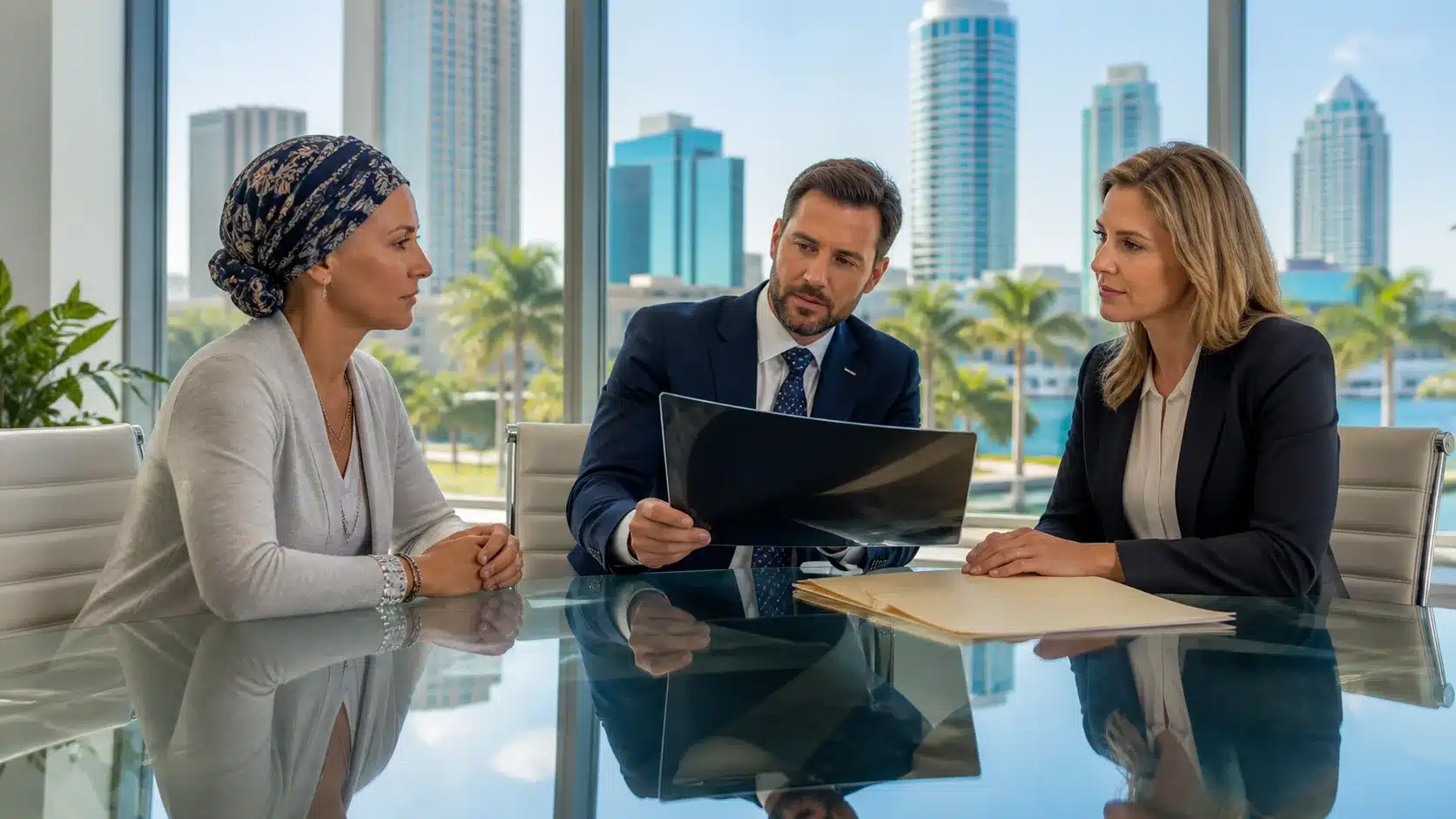
Surgery is always serious. Even when a doctor warns about risks, you still expect the surgeon to use a safe, careful technique. When the result is much worse than anyone prepared you for, it is natural to wonder if something went wrong in the operating room.
In Tampa, questions about negligent surgical technique come up often, especially as late summer brings more sports injuries, more elective procedures before the holidays, and packed surgery schedules. We want to walk through how negligence is proven, what records matter, what experts look for, and which warning signs go beyond normal complications.
When a Bad Outcome Becomes Negligent Surgery
Not every bad result is malpractice. Some problems are known risks of surgery, even when everyone does their job. Negligent surgery is different. It means the surgeon failed to act as a reasonably careful surgeon would in the same situation, and that mistake caused harm.
A few key differences between accepted risks and negligence include:
- A known complication that was explained ahead of time, handled quickly, and still happened anyway, usually falls under accepted risk.
- An injury that should almost never occur with proper technique may point to negligence.
- A delay in recognizing or treating a complication can also turn a fixable problem into serious harm.
Timing matters in Florida. Medical malpractice cases usually have a two-year statute of limitations from when you knew or should have known there was malpractice. Waiting can hurt an investigation because records can be lost or harder to find, memories fade for staff and witnesses, and expert review and presuit steps take time before a lawsuit can even be filed.
A negligent surgery lawyer helps protect your rights while you focus on healing. The lawyer can move fast to preserve records, request imaging, and coordinate medical experts. This is especially important when surgical volumes rise, like during back-to-school sports seasons and late summer procedure rushes, when mistakes may be more likely to slip through.
Key Medical Records You Need After a Suspicious Surgery
If you suspect something went wrong in the operating room, medical records are the foundation of any review. Helpful records often include:
- Pre-op evaluations and clinic notes
- Informed consent forms you signed before surgery
- The operative report written by the surgeon
- Anesthesia record, including medications and monitoring
- Surgical safety checklists and time-out forms
- Nursing notes from pre-op, recovery, and the hospital stay
- Post-op orders and progress notes
- Imaging such as X-rays, CT scans, or MRIs
- Lab results before and after surgery
In Florida, you usually request records with a simple written request to the hospital and to the surgeon’s office. It helps to ask for a complete copy of your chart and your imaging, keep a copy of everything you send, and track when the request was sent and when you receive a response. You also generally do not have to explain why you want your records.
When we review paperwork, some red flags that get our attention are missing pages or obvious gaps in charting, or sudden last-minute changes to the planned procedure, inconsistencies between the surgeon’s notes and nursing notes, and late “addenda” or corrections added after a complication occurred. These signs do not prove negligence by themselves, but they often raise questions that an expert needs to answer.
Expert Review and the Standard of Care in Surgery
Surgical negligence cases in Florida turn on the “standard of care.” That means what a reasonably careful surgeon in the same field would have done under similar facts. Before filing a malpractice lawsuit, Florida law typically requires review by a medical expert in the same or a similar specialty.
Surgeon experts usually look at:
- Was the chosen procedure appropriate for this patient?
- Was the technique consistent with accepted surgical practice?
- Were the right tools, implants, and methods used?
- How did the surgeon respond when a complication appeared?
- Were warning signs ignored or brushed aside?
Florida also has a presuit process for medical malpractice. Before a lawsuit is filed, the lawyer and expert generally must review core records and imaging, confirm that there are reasonable grounds to believe malpractice occurred, prepare expert support that meets legal rules, and send presuit notice to the healthcare providers involved.
A negligent surgery lawyer coordinates this process, works with similar-specialty surgeons, and reviews medical literature and peer guidelines. The goal is to present a clear, credible claim, not just an opinion that something “feels wrong.”
Red Flags That Go Beyond Normal Surgical Complications
Every surgery has risks like infection, bleeding, or scar tissue. These can arise even when the surgeon does everything right. Some events, however, are strong warning signs of negligent technique or poor decision-making.
Examples that often raise concern include:
- Wrong-site surgery, such as the wrong level of the spine
- Wrong procedure or wrong patient in the operating room
- Retained sponges, instruments, or other foreign objects left inside the body
- Organ perforations or nerve injuries that should have been identified and treated during surgery
- Repeated re-operations to correct the same error or misplaced hardware
- Chart entries that do not match what the patient or family actually experienced
At home, patients and families sometimes see warning signs before the records catch up. These might include:
- Pain that feels extreme, different, or rapidly worsening
- Drainage or bleeding that seems far beyond what was explained
- Sudden loss of function, such as new weakness or bowel or bladder changes
- A new surgeon quietly taking over the case without a clear, honest explanation
These signs do not automatically mean there was malpractice, but they should not be ignored. They are strong reasons to ask questions and get a legal and medical review.
How a Negligent Surgery Lawyer Builds Your Tampa Case
When we investigate a possible negligent surgery case, the work usually unfolds in several steps. A typical approach includes:
- Securing all medical records, imaging, and operative materials
- Reviewing hospital policies, surgical checklists, and staff roles
- Interviewing key witnesses, when appropriate
- Working closely with surgeon experts and other specialists
- Studying how the injury changed the patient’s life and future needs
Florida medical malpractice cases also come with specific hurdles. Presuit notice rules, past damage cap laws, and comparative fault defenses can all affect strategy and case value. Local experience with Hillsborough County courts and Tampa-area hospitals helps us understand patterns, defenses we are likely to see, and how insurers tend to respond.
Because surgical malpractice claims are complex and expert-heavy, they are not easy to handle alone. A negligent surgery lawyer can manage deadlines, legal rules, and medical questions while the patient focuses on recovery and family.
Taking Action to Protect a Possible Surgical Malpractice Claim
If you believe negligent surgical technique may have harmed you or someone you love, it helps to act sooner rather than later. Steps that can support a later review include:
- Writing down symptoms, pain levels, and major changes from day to day
- Keeping a simple timeline of surgeries, hospital stays, and follow-up visits
- Saving discharge instructions, medication lists, and any written updates from doctors
- Avoiding broad releases or quick settlement offers until you fully understand the injury
- Requesting records early so there is a clear picture of what happened
In Tampa and across Florida, the clock on the statute of limitations and presuit deadlines may already be running while you are still recovering. Getting timely legal guidance can make the difference between a strong claim and one that is blocked by timing or missing proof.
At Greco, Wozniak & Ruiz-Carus, P.A., we focus on medical malpractice, personal injury, and wrongful death for injured patients and families. Our team works to blend trial experience with careful attention to each person’s story, so that those affected by suspected negligent surgery have support through every hard step of the legal process.
Take The First Step Toward Accountability And Recovery
If you believe a surgical error has harmed you or a loved one, Greco, Wozniak & Ruiz-Carus, P.A. is ready to listen and explain your options. Speak with an experienced negligent surgery lawyer who can evaluate what happened and help you understand whether you have a claim. We will review your medical records, answer your questions, and guide you through the next steps. To schedule a confidential consultation, please contact us today.