Understanding Bicycle Accident Claims After Tampa’s Early Sunset
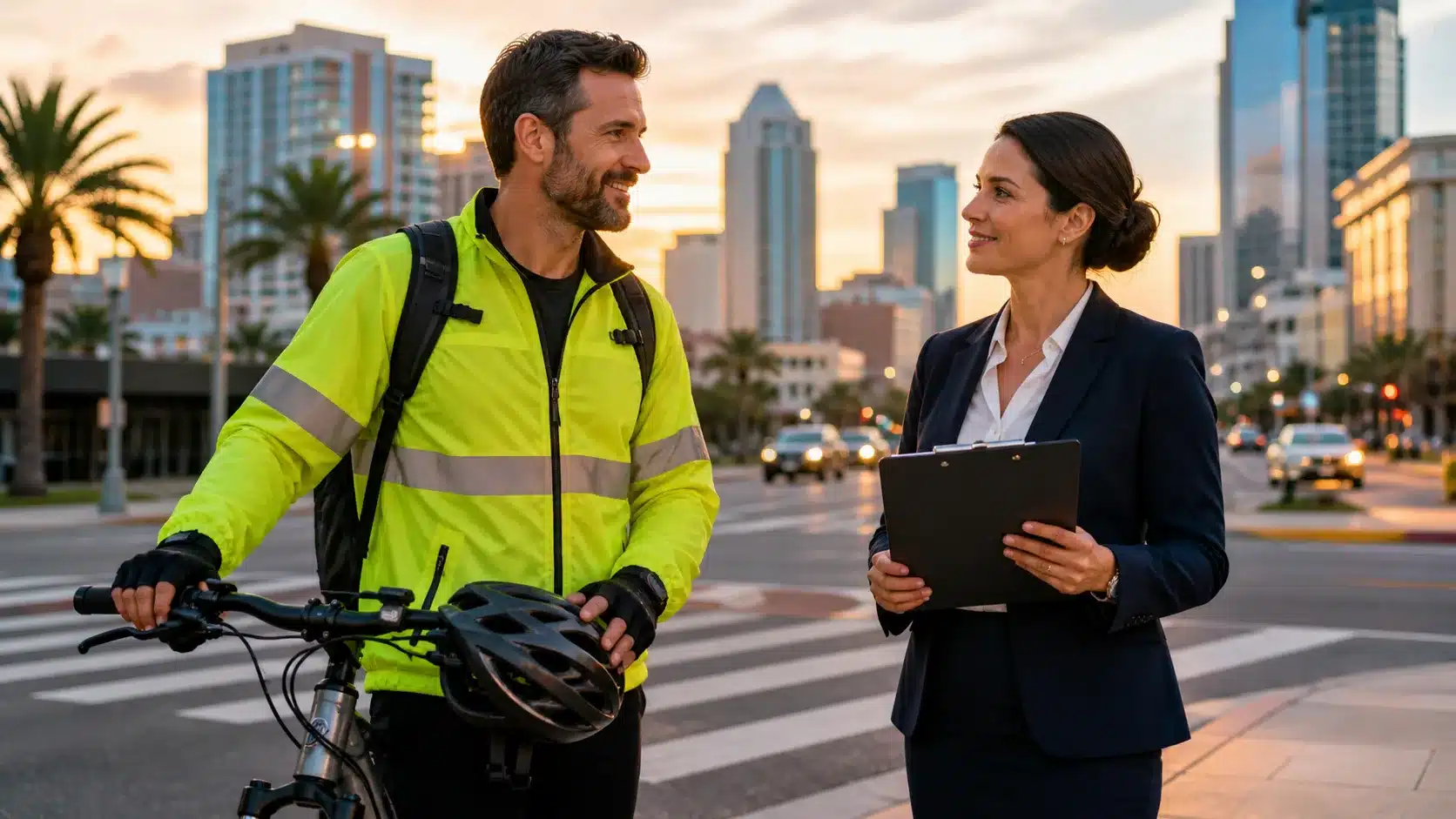
Tampa’s earlier sunsets in November can change an ordinary bike ride home into a higher-risk trip. By late November, many people are still commuting, exercising, picking up holiday errands, or heading home from work after daylight has faded. When a bicycle crash happens at dusk or after dark, questions about visibility, lighting, driver attention, and reaction time can quickly become part of the claim.
We know that a darker evening does not erase a driver’s duty to use reasonable care. Bicyclists also have rights and responsibilities on Tampa streets, including using required lighting after sunset. The details of what happened, not a quick assumption that a rider was “hard to see,” should guide the investigation.
How Early Darkness Can Affect Fault
The return to standard time can catch drivers off guard. A motorist who recently drove home in daylight may now face darker intersections, glare from headlights, reduced contrast between the road and its surroundings, and more people walking or biking near traffic.
Darkness alone does not mean a bicyclist caused a collision. As a bicycle accident attorney in Tampa, we look at the full setting of the crash, including driver behavior, traffic controls, road design, weather conditions, and where the bicyclist was traveling when the impact occurred.
Visibility questions often include:
- Whether streetlights were working near the crash site
- Whether the driver had headlights on and was paying attention
- Whether the bicyclist used a front lamp, rear reflector, or rear light as required
- Whether trees, parked vehicles, construction, holiday displays, or glare blocked sightlines
- Whether the driver had enough time and distance to react safely
A driver can still be negligent in poor lighting. For example, a motorist may turn across a bike lane without yielding, open a car door into a cyclist’s path, pull out of a driveway too quickly, or pass without leaving enough room. Intersections, crosswalks, parking-lot exits, driveways, bike lanes, and roads with limited shoulders can all create danger after sunset.
Preserving Evidence Before the Scene Changes
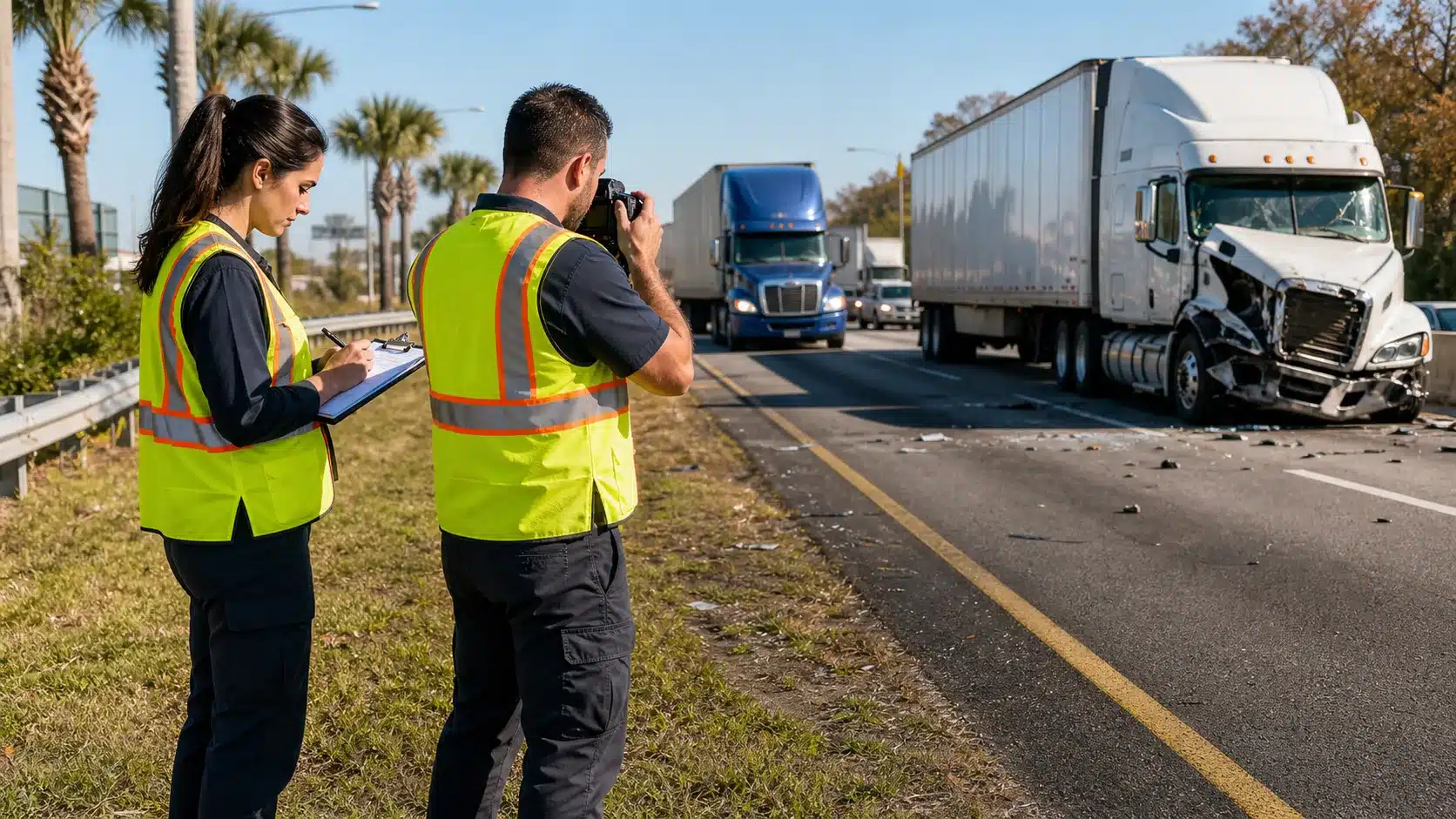
Evening crash evidence can disappear fast. A damaged streetlight may be repaired, a business camera may record over its footage, or construction barriers may be moved by the next day. Conditions around the roadway can also look very different in daylight than they did during the dark evening when the crash occurred.
For that reason, we often recommend prompt legal review after a serious bicycle collision. A careful investigation may involve returning to the location around the same time of day to understand the actual lighting, traffic flow, and sightlines involved.
Helpful evidence may include:
- Photos and video of the crash scene, bicycle, vehicle, injuries, and nearby lighting
- Surveillance footage from homes, businesses, apartment complexes, buses, or intersections
- Traffic-camera footage and vehicle data, when available
- Witness names and contact information
- The damaged bicycle, helmet, lights, clothing, and other safety equipment
A written account can also matter. If you are able, write down what you remember about the moments before the crash, including the direction you were traveling, traffic signals, vehicle movements, road conditions, and anything the driver said afterward. Memories can fade quickly, especially while you are dealing with pain, treatment, and insurance calls.
Insurance Companies May Focus on the Cyclist
After a nighttime collision, an insurance company may focus on a rider’s clothing, helmet use, lights, lane position, speed, or choice to ride after sunset. Those issues can be relevant, but they should not distract from the driver’s conduct. A driver who was speeding, distracted by a phone, impaired, driving without headlights, or making an unsafe turn may have created the danger.
Florida follows a comparative negligence system in many injury cases. That means an injured person’s recovery may be reduced by their percentage of fault. Recovery is generally barred when the injured person is found more than 50 percent responsible. Because shared fault can have a major effect on a claim, it is important to understand the evidence before accepting an insurer’s version of events.
We encourage injured riders to be careful when speaking with insurers. A recorded statement, a guess about speed or distance, or an early settlement can create problems before the full impact of a crash is known. Initial offers may not account for future medical care, lost earning ability, lasting limitations, pain and suffering, or the cost of replacing a bicycle and safety gear.
Documenting Injuries and Losses
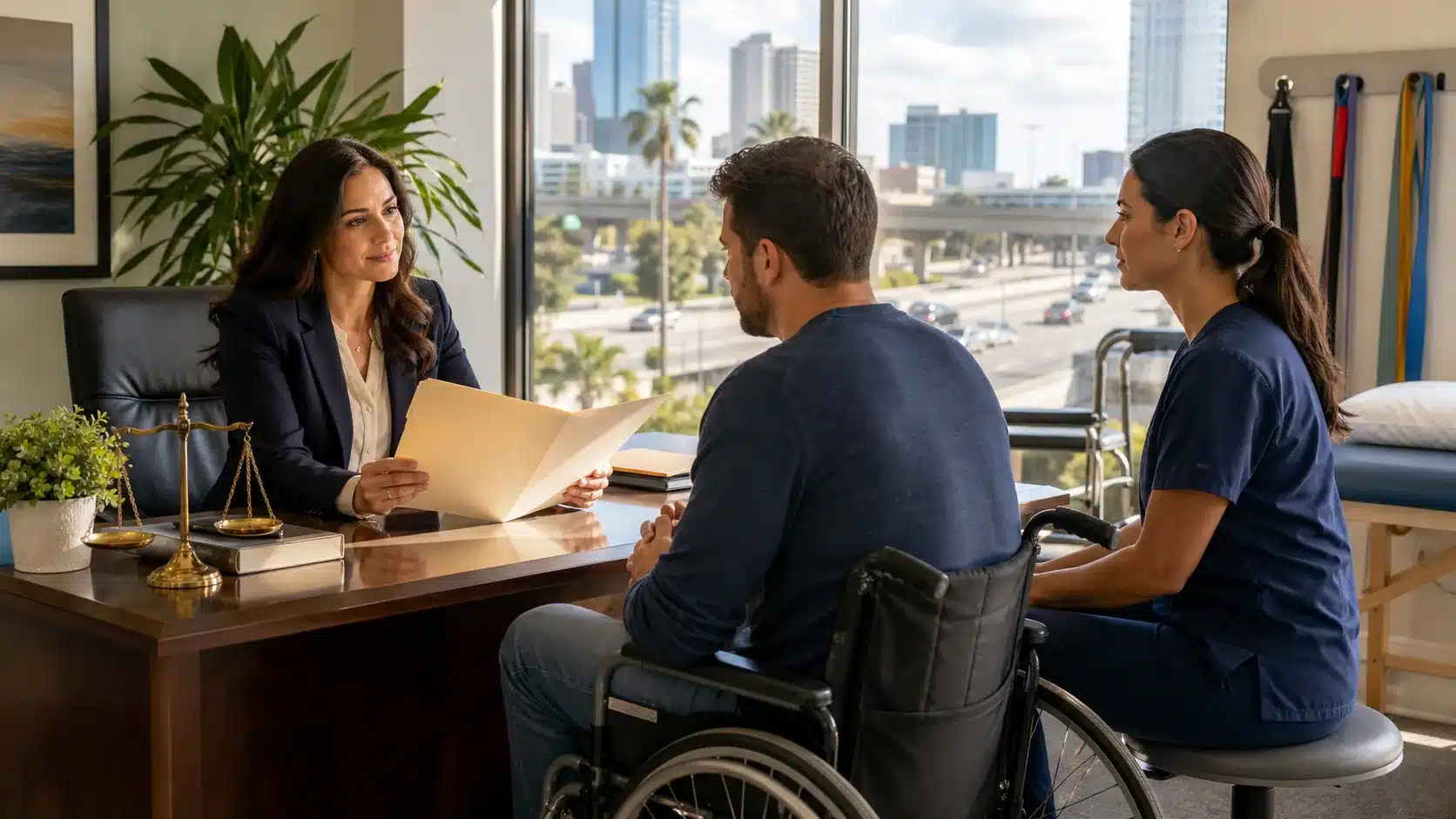
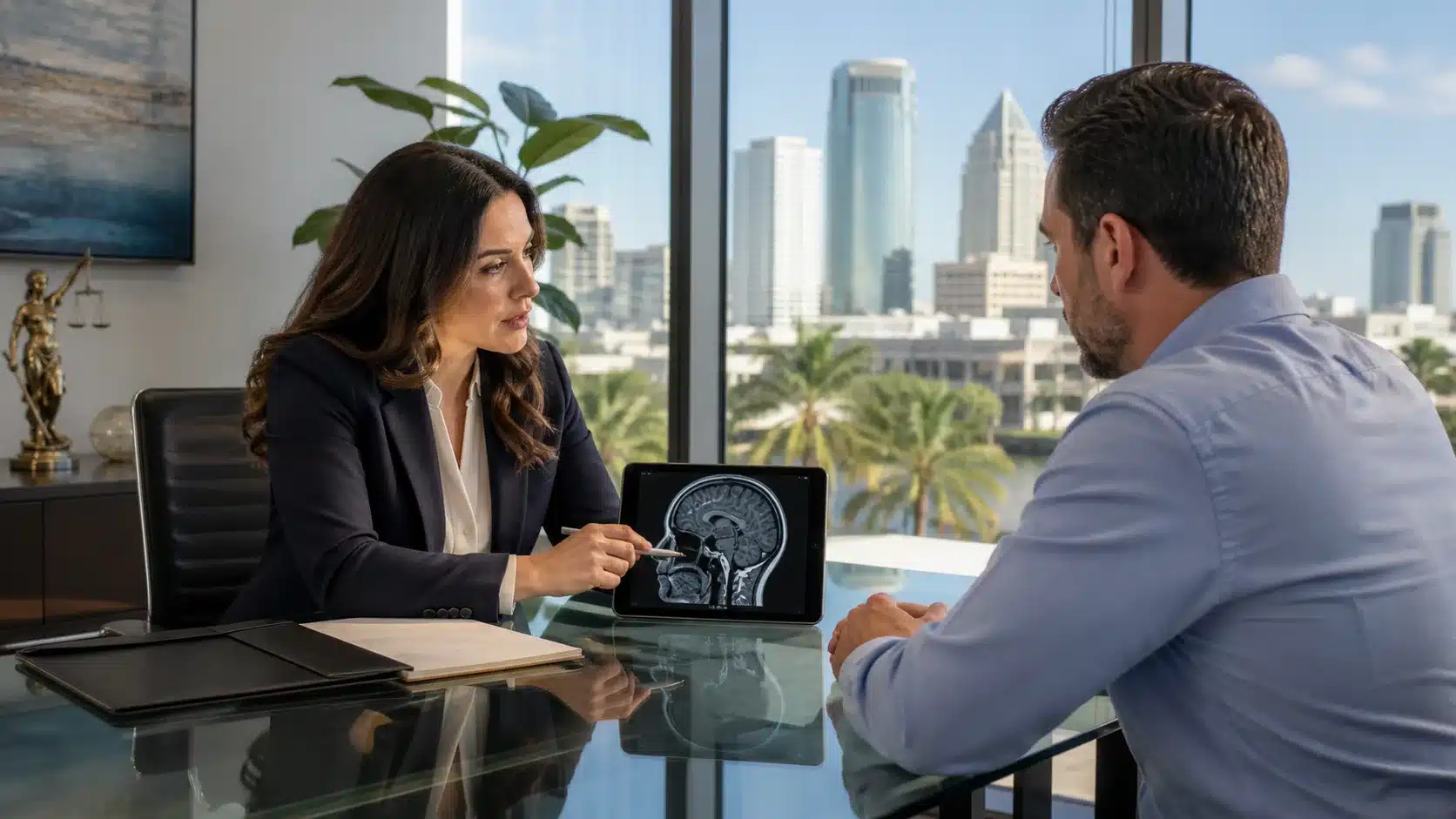
Medical care should come first after a bicycle crash, even when symptoms seem minor at the scene. Head injuries, internal injuries, soft-tissue damage, and spinal conditions may not be obvious right away. Prompt medical records can also help show how the collision affected you.
The records that may support a claim include the police crash report, emergency records, follow-up treatment notes, photographs of visible injuries, repair estimates, receipts for damaged gear, and proof of missed work. Depending on the circumstances, we may evaluate damages involving medical expenses, rehabilitation, lost income, reduced earning ability, scarring, disability, property damage, and pain and suffering.
When a bicycle crash causes a fatal injury, surviving family members may have a wrongful death claim. These cases require a careful review of the loss, the available evidence, and the parties who may share responsibility.
Deadlines and Coverage Questions Matter
Waiting can put a claim at risk. Florida injury and wrongful death claims have legal deadlines, and the right deadline can depend on the facts, the people involved, and the type of claim. Claims involving a government vehicle, unsafe public roadway, missing sign, malfunctioning signal, or poorly maintained intersection may also involve added procedures or notice requirements.
Insurance coverage is not always limited to the at-fault driver’s policy. Depending on the collision and policy language, coverage questions may involve the driver’s liability insurance, uninsured or underinsured motorist coverage, and benefits available through the injured cyclist’s own auto insurance policy.
A dark-evening crash deserves more than a quick conclusion about visibility. Protect the available evidence, follow through with medical care, keep records of your losses, and avoid letting insurance pressure force decisions before the facts are clear.
Get Clear Guidance for Your Bicycle Claim
At Greco, Wozniak & Ruiz-Carus, P.A., we can help you assess your options and pursue the compensation your injuries and losses may warrant. Speak with a bicycle accident attorney in Tampa who can review the details of your case and explain the next steps. To discuss your situation, contact us for a consultation.