A Safe ER Discharge Should Not Become a New Emergency
Emergency rooms have to make fast decisions, but speed should never come before patient safety. A discharge may be appropriate when you are stable, your condition has been properly evaluated, and you receive clear instructions for what to do next. When that process is rushed or incomplete, however, a serious illness or injury can continue getting worse after you get home.
For Tampa families, this issue can feel especially pressing during the November holiday season. Travel, family gatherings, respiratory illnesses, and crowded ERs may send more people in for urgent care. Heavy patient volume can create pressure, but it does not excuse careless medical decisions. Not every bad medical outcome is malpractice, but an avoidable discharge error may support a claim if a provider failed to meet the accepted standard of care and that failure caused added harm.
Discharge Errors Can Start Before You Leave
One of the most troubling ER mistakes is a premature discharge. We often look at whether the medical team sent someone home before fully addressing ongoing symptoms, unstable vital signs, abnormal test results, or a lack of improvement after treatment. A patient may appear well enough to leave for a short time, yet still have warning signs that call for more observation, testing, or admission.
A rushed discharge can be particularly dangerous when the patient has symptoms connected to conditions such as:
- Chest pain or signs of a heart problem
- Stroke symptoms, including sudden weakness or confusion
- Internal bleeding, severe infection, or head trauma
- Breathing trouble or worsening respiratory symptoms
- Severe abdominal pain, repeated vomiting, or fainting
Problems can also arise when testing is incomplete or information is missed. An ER provider might not order imaging or lab work that a reasonably careful provider would have ordered. In other situations, abnormal findings may be overlooked, pending results may not receive proper review, or important details may not be clearly communicated among the care team. Some patients may need a specialist’s opinion before discharge, particularly when symptoms point to a complex or potentially dangerous condition.
Safe discharge planning is more than handing over a packet of papers. You should receive understandable directions about medications, activity limits, follow-up care, warning signs, and when to return for immediate treatment. If instructions are vague, rushed, incomplete, or not explained in a way you can understand, you and your family may not realize how serious a change in condition could be.
Warning Signs After a Tampa ER Visit
Your health comes first after any ER visit. If symptoms are new, worsening, or frightening, do not wait for a scheduled follow-up just because you were recently discharged. Call 911 or return to the ER when you believe you are experiencing an emergency.
Warning signs that may call for immediate medical attention include:
- Worsening pain or trouble breathing
- Confusion, fainting, seizures, or sudden weakness on one side
- High fever, uncontrolled vomiting, or rapid decline
- Heavy bleeding or new swelling
- Symptoms that do not improve as expected after treatment
When a patient’s condition gets worse after discharge, documentation can be helpful for both medical care and any later legal review. We recommend saving discharge papers, prescriptions, test results, follow-up records, and photographs of visible injuries when appropriate. Family members can also write down what happened before, during, and after the ER visit while the details are still clear.
A simple timeline may show when you sought care, what symptoms you reported, what tests were performed, what you were told at discharge, and how the condition changed afterward. This information does not prove malpractice by itself, but it can help us understand the full picture.
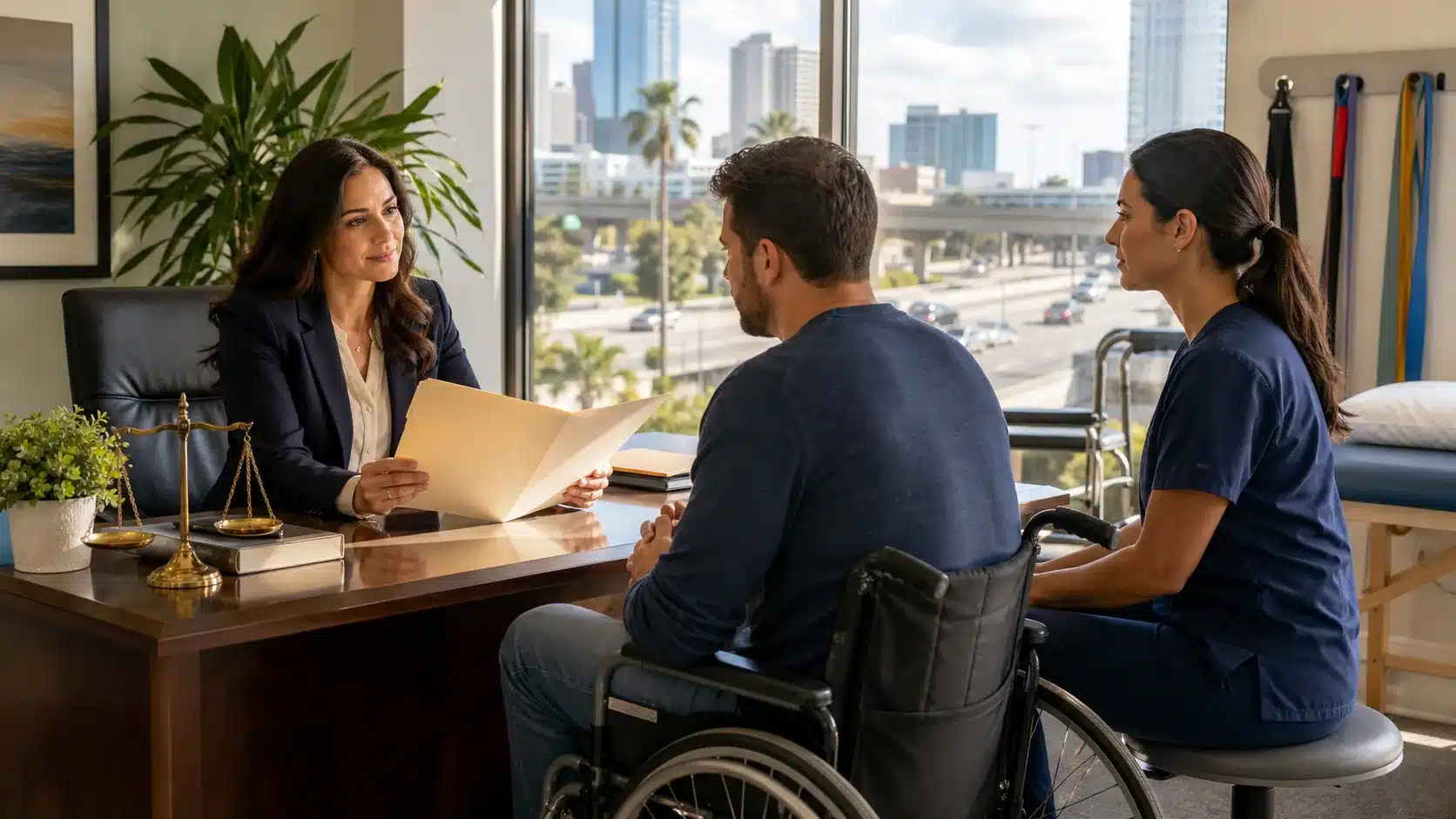
When an Emergency Room Error Lawyer May Review the Case
It may be worth speaking with an emergency room error lawyer when a patient returns to the hospital with a much more serious condition, needs surgery or intensive care, suffers lasting complications, or dies after being sent home. A return visit alone does not mean the first ER made a mistake. Conditions can change quickly, and medicine does not guarantee a certain outcome.
Still, we can examine whether warning signs were missed or whether the discharge decision fell below accepted medical care. In many cases, the central question is straightforward: Would a reasonably careful emergency provider have done more before sending this patient home?
Depending on the circumstances, that may include whether the provider should have:
- Ordered additional lab work or imaging
- Observed the patient longer and repeated testing
- Consulted a specialist
- Admitted the patient to the hospital
- Given clearer instructions about follow-up and emergency warning signs
These questions require a careful review of the records and the medical facts. We do not assume that every disappointing outcome resulted from negligence. Instead, we look closely at what the care team knew, what they did, and what a careful provider should reasonably have done at that point.
How We Evaluate ER Discharge Claims
A medical malpractice claim generally requires proof that a health care provider owed a duty of care, failed to meet the applicable medical standard, and caused measurable harm. In an ER discharge case, it is not enough to show that a patient became sicker after going home. The evidence must connect the provider’s actions, or failure to act, to the added injury.
Our review may include triage notes, nursing notes, physician records, vital-sign records, medication records, lab reports, imaging studies, discharge paperwork, and records from later treatment. Hospital policies and communications among medical professionals may also matter. Qualified medical experts may review the records to help determine whether the discharge decision departed from accepted medical practice.
Responsibility is not always limited to one person. Depending on the facts, a case may involve an emergency physician, nurse, physician group, hospital, radiology provider, laboratory, or another medical professional. Florida medical malpractice claims also involve specific pre-suit steps and legal deadlines. Early legal guidance can help protect records and allow time for a meaningful review.
Protect Your Health and Preserve Your Options
If you or a loved one develops new or worsening symptoms after an ER discharge, seek prompt medical care. Do not ignore your instincts because someone recently said it was safe to go home. Ask questions about discharge instructions, confirm follow-up plans, request copies of records, and keep track of changes in the patient’s condition.
Timely action may help preserve important evidence and clarify whether an ER discharge error played a role in a serious injury or loss. For families facing that painful uncertainty, careful documentation and a prompt review can provide a clearer understanding of the available Florida legal options.
Get Compassionate Guidance for Your Next Steps
At Greco, Wozniak & Ruiz-Carus, P.A., we can help you evaluate your situation with the attention it deserves. Speak with an emergency room error lawyer about your family’s questions and potential path forward. To arrange a confidential consultation, contact us today.