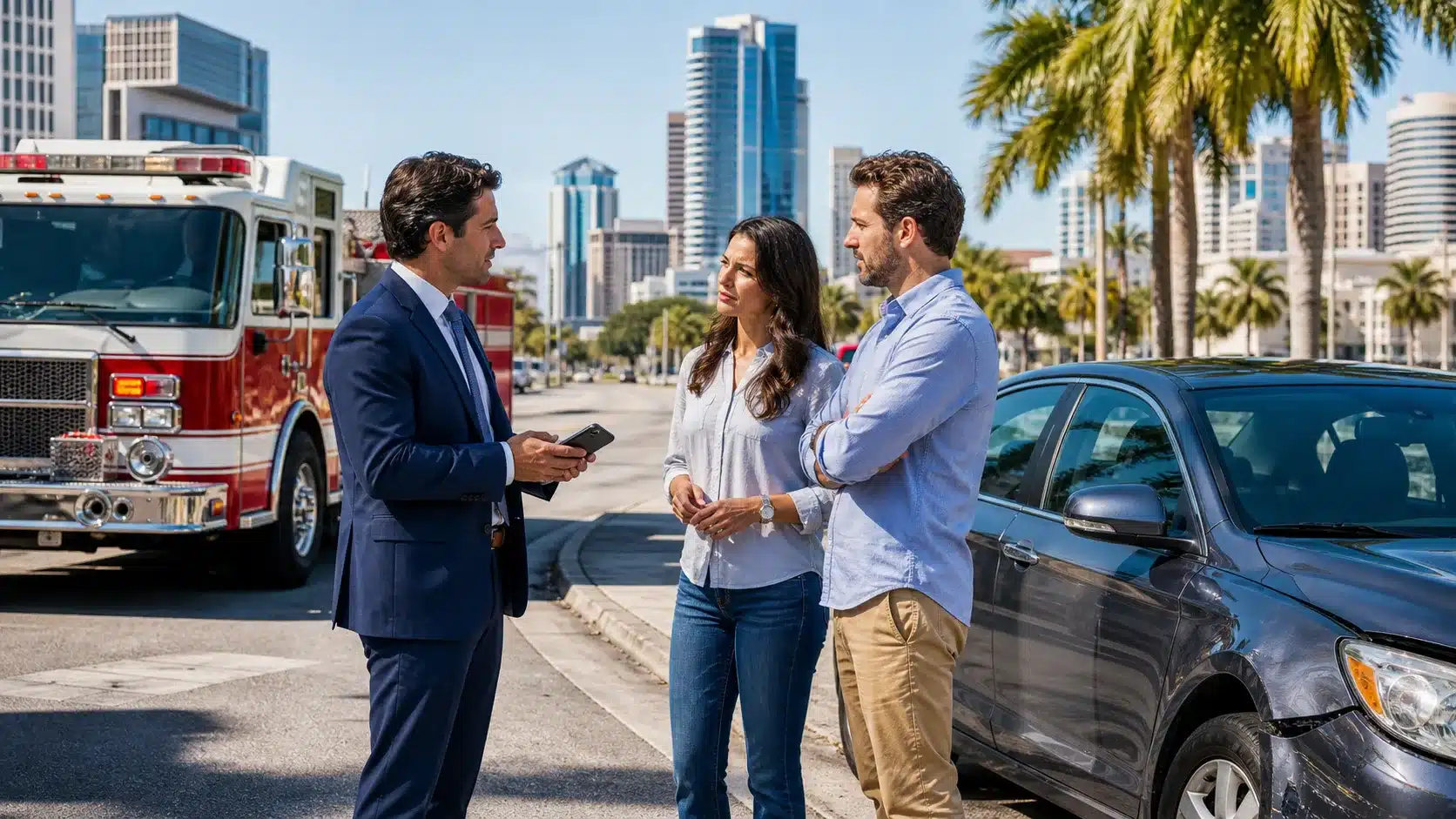
Protecting Your Rights After a Tampa Emergency Response Crash
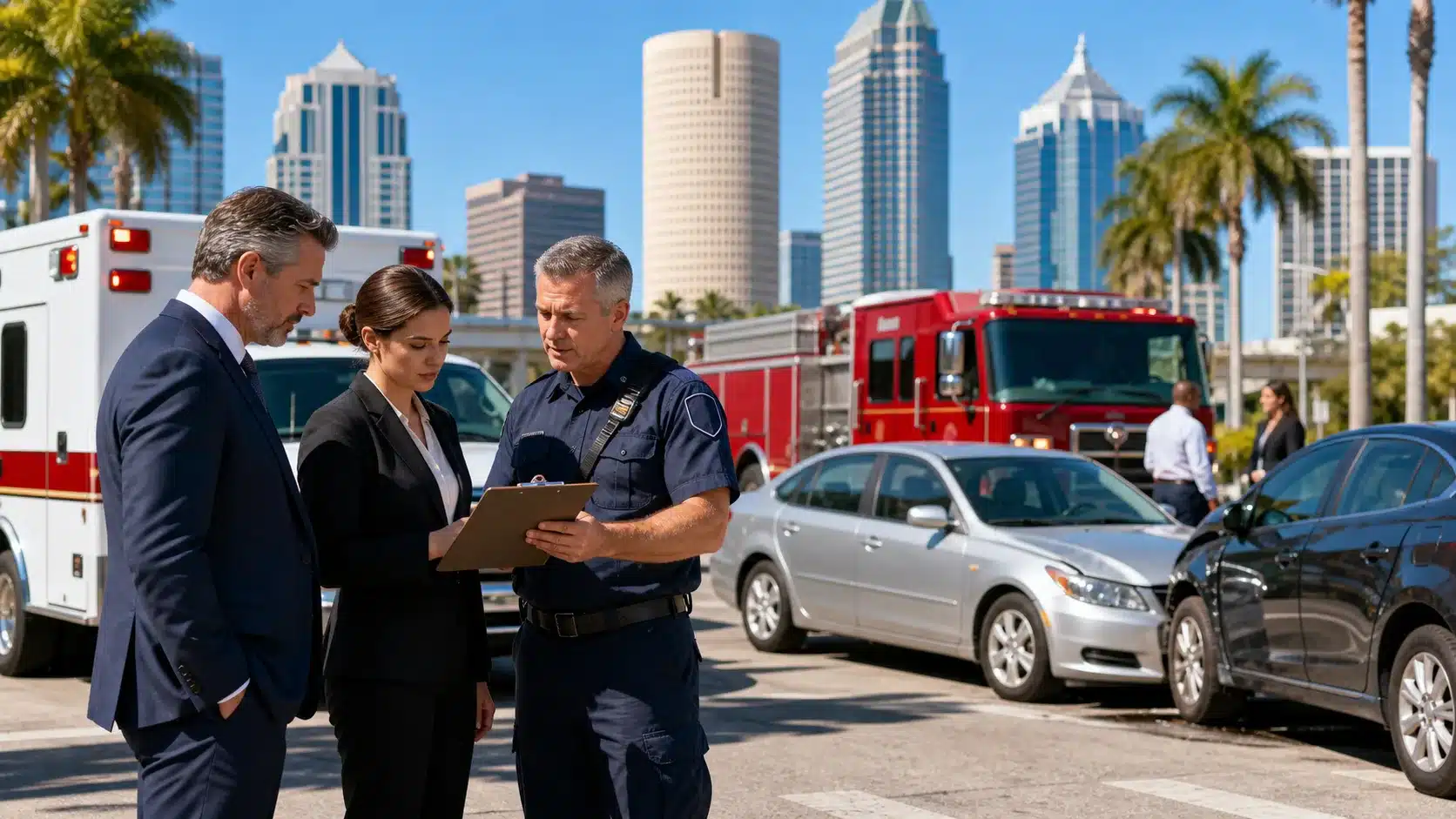
Crashes with ambulances, fire trucks, or police cars are scary and confusing. One second you hear sirens, the next second your car is damaged, you are hurt, and you are not even sure what just happened. You might wonder if you are automatically to blame simply because the other vehicle was on an emergency call.
These wrecks raise hard questions. Who had the right of way? Did you have enough time to react? Did the emergency driver follow the rules? After a serious crash, you may be facing hospital visits, time away from work, and stress about how to pay your bills. Our Tampa trial lawyers work with people in Florida who are dealing with these exact problems, and we know how important clear answers can be for your recovery.
How Florida Law Treats Emergency Vehicles on Tampa Roads
Emergency vehicles do get special rights on the road, but they do not get a free pass to ignore safety. Florida drivers have important duties when they see flashing lights or hear sirens.
In general, drivers must:
- Move over or pull to the closest edge of the road when it is safe
- Slow down and be ready to stop when an emergency vehicle approaches
- Leave space around stopped emergency vehicles on the side of the road
- Follow instructions from officers directing traffic at a scene
Intersections can be especially risky in Tampa traffic, with early sunsets and heavy rain. Even with lights and sirens, emergency drivers must still:
- Use due care when going through red lights or stop signs
- Watch for drivers who may not hear or see them in time
- Adjust speed for weather, visibility, and traffic conditions
Many people believe some common myths, such as:
- Emergency drivers can never be at fault
- You are always to blame if you collide with a police car, fire truck, or ambulance
- You cannot ask for payment for your injuries in these cases
These ideas are not correct. Emergency vehicles do have legal privileges, but those privileges come with strict duties. An experienced emergency vehicle accident attorney needs to know not just the traffic rules, but also how courts have applied those rules in real cases, to decide whether the driver acted with proper care or went too far.
Who Can Be Held Liable After an Emergency Response Crash
Liability after an emergency crash is rarely simple. Several people or entities may share responsibility, depending on what happened.
Possible parties who may be held liable include:
- The emergency vehicle driver
- The agency or city that employs the driver
- Private ambulance or medical transport companies
- Other drivers who failed to yield or made unsafe moves
When public agencies are involved, special rules on sovereign immunity may apply. That means:
- Different procedures and deadlines for making a claim
- Possible limits on how much money can be recovered from a city, county, or state agency
- Extra steps before a lawsuit can even be filed
These rules can make an emergency vehicle case very different from a typical car crash claim. There are also situations where more than one person shares fault. For example, another driver may fail to yield, while the emergency vehicle enters an intersection too fast or without proper siren use.
Sorting all of this out takes careful investigation. A skilled emergency vehicle accident attorney can look for every possible source of insurance and responsibility so that medical costs, lost wages, and long-term care needs are fully considered.
Proving Fault When Lights and Sirens Are Involved
When lights and sirens are part of the story, evidence becomes even more important. Memory fades, traffic records can be erased, and video can be overwritten if action is not taken quickly.
Key evidence in these cases often includes:
- Dashcam and bodycam video from the emergency vehicle
- Traffic camera footage at nearby intersections
- 911 call logs and dispatch records
- Black box data from the vehicles
- Photos of the scene, damage, and injuries
- Statements from eyewitnesses and first responders
Experienced lawyers know they must move fast to preserve this material. That may include sending formal letters telling agencies and companies to keep videos and records before they are deleted or “lost” in the system.
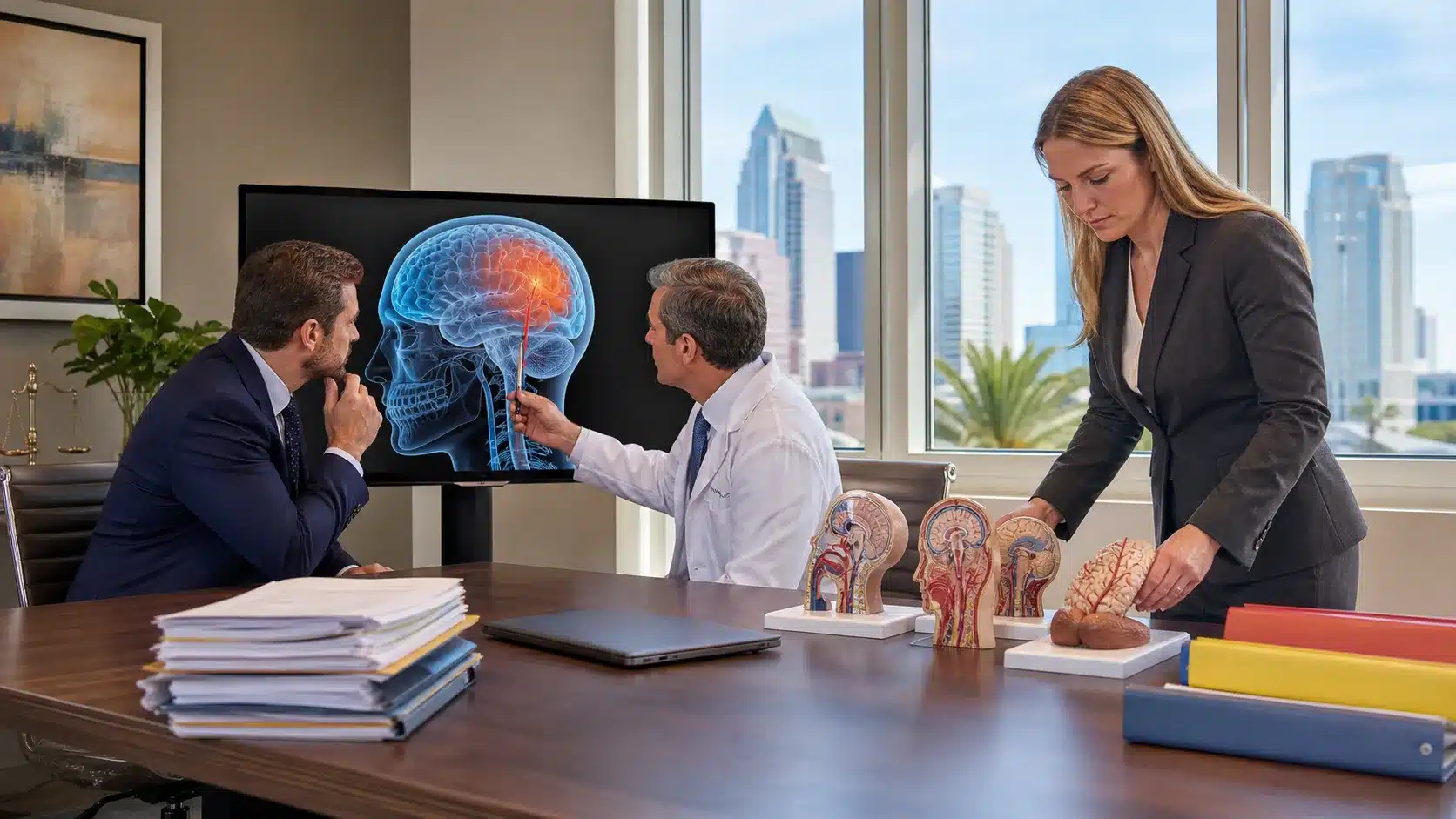
Accident reconstruction experts can also play a big role. They can help answer questions like:
- How fast were the vehicles going?
- When did brakes get applied?
- What could drivers actually see at dusk or in heavy rain?
- Were lights and sirens used in a way that met legal and safety rules?
At trial, this type of technical evidence must be explained in a clear, simple way. Our firm’s trial experience helps us turn complex data into a story that judges and juries can understand.
Steps to Take After an Emergency Vehicle Collision in Tampa
What you do in the moments and days after a crash can make a big difference for your health and your legal options.
For safety and medical care:
- Move to a safe place if you can do so without risk
- Call 911 or ask someone nearby to call
- Accept medical help at the scene even if you think you are “okay”
- Follow up with a doctor soon, since many injuries show up later
To help protect your claim, try to:
- Take photos or video of vehicle positions, skid marks, debris, and damage
- Capture the weather, lighting, and whether emergency lights were still on
- Get names and contact information for witnesses
- Keep all discharge papers, bills, and doctor notes in one place
When speaking with others:
- Give honest, basic facts to law enforcement, but do not guess about fault
- Be careful when talking with insurance adjusters
- Do not sign forms, releases, or written statements without legal guidance
If any government agency may be involved, there can be short notice deadlines. Waiting too long to speak with an emergency vehicle accident attorney can limit your options later, even when fault is clear.
Take Control of Your Recovery with Experienced Tampa Trial Lawyers
Many people walk away from emergency vehicle crashes thinking they have no case. They feel guilty for not reacting fast enough, or they assume the law will always favor the ambulance, fire truck, or police car. The truth is that every collision must still be reviewed for negligence, no matter who was running the siren.
At Greco, Wozniak & Ruiz-Carus, P.A., we focus on serious injury and wrongful death cases, including collisions that happen when emergency vehicles are racing to calls on Tampa roads. We know how to investigate these events, work with experts, and deal with government entities and insurance companies. Our trial background means we are always preparing as if a judge or jury will one day need to hear your story, and we understand how much is at stake for you and your family when injuries change your life.
Protect Your Rights After an Emergency Vehicle Crash
If you were injured in a collision with a police car, ambulance, fire truck, or other emergency vehicle, our team at Greco, Wozniak & Ruiz-Carus, P.A. is ready to help you understand your options and pursue fair compensation. Speak with an experienced emergency vehicle accident attorney who knows how to navigate the unique laws and defenses involved in these cases. We will evaluate your situation, explain your next steps in clear terms, and handle the legal details so you can focus on healing. To take the first step toward protecting your claim, contact us today.