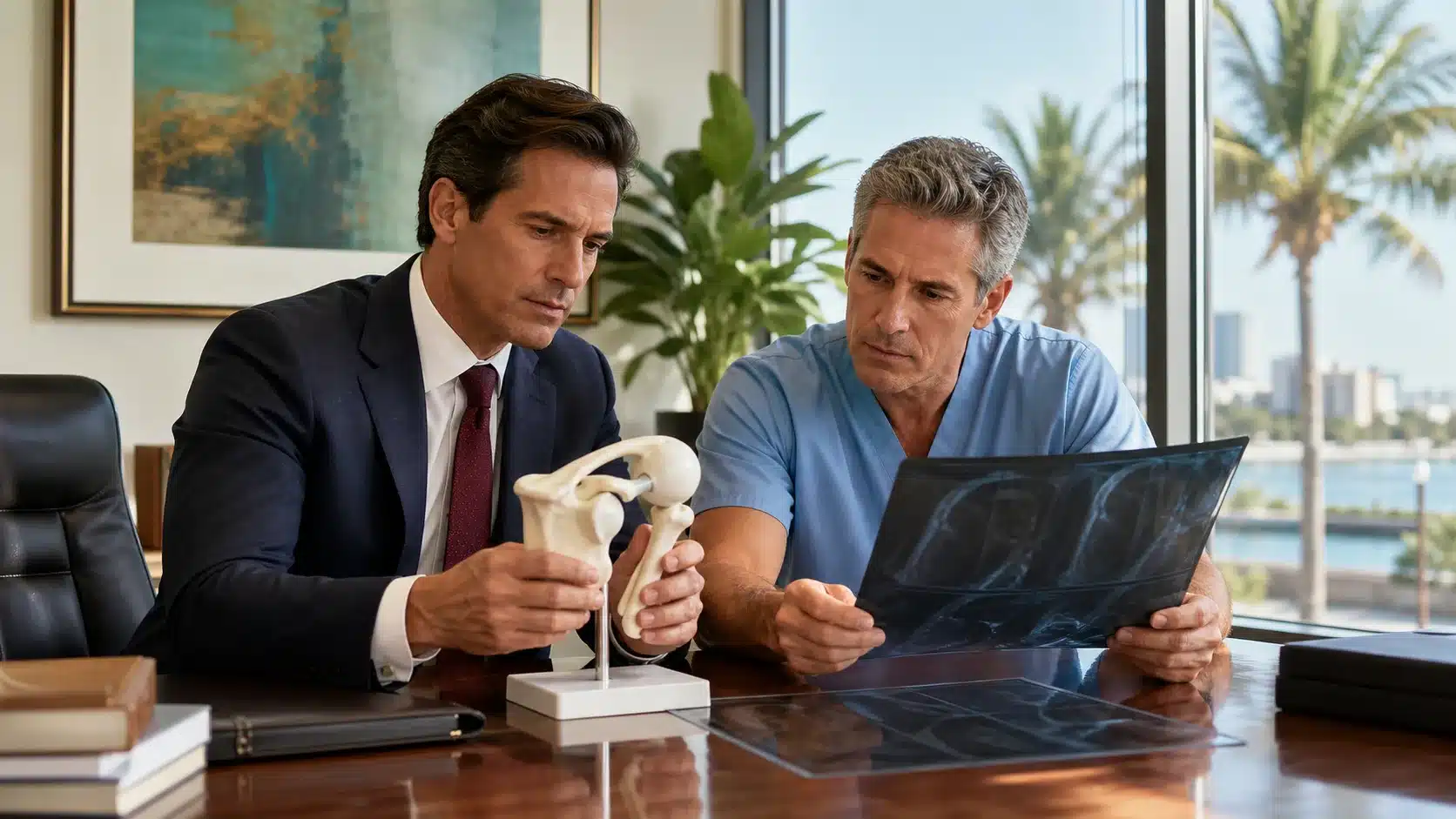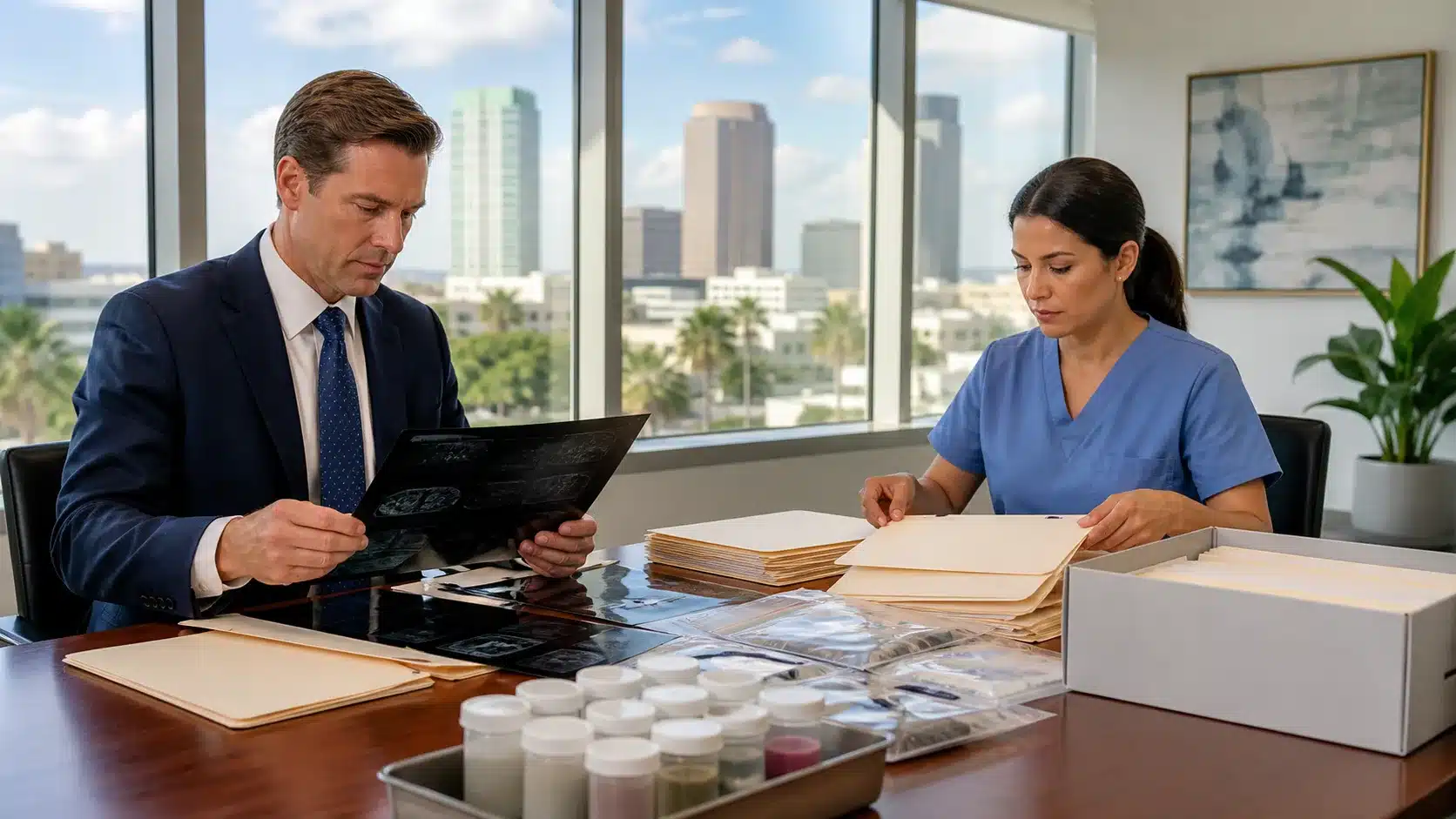
When medical care goes wrong and a loved one dies, families are left with grief and questions. Some deaths happen even with good care. Others happen because someone did not follow basic safety rules. When that happens, Florida law may treat it as a wrongful death, not just a tragic loss.
We know those first days after a death can feel like a blur. Still, what you do in that first week can make a big difference if you later talk with a wrongful death lawyer in Tampa. This guide explains what wrongful death means in simple terms, common medical mistakes like missed sepsis, delayed stroke treatment, and medication errors, and what evidence families should try to protect in the first 7 days.
When a Preventable Death Becomes a Wrongful Death Case
Under Florida law, a wrongful death happens when a person dies because of someone else’s careless or unsafe actions. In medical cases, that usually means a doctor, nurse, hospital, clinic, or pharmacy did not act as a reasonably careful provider would have acted.
In plain language, a hospital death may be a wrongful death case if basic safety rules were ignored, warning signs were missed or brushed aside, treatment was delayed without a good reason, or a clear mistake led to a preventable loss of life.
The first 7 days matter because records can be changed or go missing, memories fade, and small details get lost in the chaos of funeral planning and family calls. This is especially true with hospital and clinic deaths, where so much happens in a short time.
Three problems we see again and again in Tampa area cases are:
- Missed sepsis and untreated infection
- Delayed stroke diagnosis and treatment
- Medication errors in hospitals, clinics, and pharmacies
Families are dealing with shock, grief, and a long list of tasks. That is why having a simple checklist and early legal guidance can protect your rights while you focus on each other.
Missed Sepsis Warning Signs That Turn Deadly
Sepsis is the body’s extreme reaction to an infection. It can start with something small, like a cut, a urinary infection, or pneumonia, then quickly spread and damage organs if not treated fast.
Common early warning signs include:
- Fever or very low temperature
- Fast heart rate or fast breathing
- Confusion or acting “not like themselves”
- Low blood pressure, feeling faint, or clammy skin
Health care providers are expected to take these signs seriously. When care falls below basic safety standards, problems often show up in the same patterns, tests are not ordered, abnormal vitals are not acted on, and treatment that should start right away gets delayed. In other situations, a clearly sick patient is sent home from the ER before the infection is stabilized or ruled out.
Common mistakes include:
- Not ordering basic lab tests like blood work or cultures
- Ignoring abnormal vital signs or changes in mental state
- Waiting too long to start antibiotics or fluids
- Sending a clearly sick patient home from the ER
In the first week after a sepsis-related death, it helps to save specific documents and communications records that show what symptoms were present, what staff were told, and what actions were (or were not) taken.
In the first week after a sepsis-related death, it helps to save:
- ER discharge paperwork and after-visit summaries
- Triage notes, if you have them, and any printed instructions
- Screenshots or photos of patient portal messages and test results
- Texts to and from doctors’ offices, urgent care, or nurses
- A written family timeline of symptoms, calls, visits, and what staff said
Those small bits of information can later help show what warning signs were present and when.
Delayed Stroke Diagnosis and Time-Critical Treatment
With stroke, people often say “time is brain” because brain cells can be damaged very quickly. Some strokes can be treated with clot-busting medicine or procedures that remove a clot, but that window is short.
Stroke symptoms can be missed, especially in younger adults and women. Warning signs may include:
- Sudden trouble speaking or slurred words
- Face drooping on one side
- Weakness or numbness on one side of the body
- Sudden severe headache, balance problems, or vision changes
When a provider does not treat stroke symptoms as time-critical, negligence may show up as slow escalation, inadequate testing, or delays in moving from suspicion to action. In practice, that can mean the team does not mobilize quickly, symptoms are dismissed as something else without proper evaluation, or imaging and treatment decisions happen too late.
Negligence can look like:
- Failing to call a “stroke alert” so the team moves quickly
- Blaming symptoms on migraines, anxiety, or intoxication without proper tests
- Long waits in the ER even as symptoms get worse
- Delays in getting a CT or MRI, or in deciding about tPA or thrombectomy
Within 7 days, it is helpful to secure:
- EMS or ambulance run sheets, if they are available quickly
- ER visit summaries and any discharge papers
- Copies of imaging orders and reports that you can access through a portal
- Photos or short videos taken at the bedside that show speech, face droop, or weakness
- Names and roles of every provider who seemed involved in the stroke care
Even simple notes like “doctor with glasses at 3 p.m., said it was a migraine” can help later identify who did what.
Medication Errors That Cause Fatal Complications
Medication mistakes can happen in hospitals, clinics, nursing homes, and pharmacies. These errors often increase when systems are busy, like during fall flu season, back-to-school rush, holiday travel, and high visitor periods in the Tampa Bay area.
Common medication errors include:
- Wrong drug or wrong patient
- Wrong dose or wrong timing
- Dangerous drug combinations that should not be given together
- Ignored allergies or past bad reactions listed in the chart
- Failure to monitor for known side effects, like bleeding or heart rhythm issues
When you suspect a medication problem, it is important to preserve anything that can confirm what was prescribed, what was actually given, and how the patient responded. Packaging and portal records often carry details, drug name, dose, timing, and prescribing information, that can later matter a great deal.
When you suspect a medication problem, try to preserve:
- All pill bottles and pharmacy labels, even if empty
- Printed medication lists and written instructions from hospitals or clinics
- MyChart or portal printouts that show medication orders and changes
- Photos of medication trays, IV bags, infusion pumps, or home pill organizers
- A written timeline: what was given, when, by whom, and what symptoms followed
Do not throw away any medicine or packaging, even if it hurts to see it. Those items can later help show exactly what went into your loved one’s body.
Evidence Families Should Secure in the First 7 Days
It can help to think about the first week in small steps. The goal is not to do everything at once, but to preserve what you can before details disappear and before documents become harder to obtain.
Within 24 to 48 hours, try to:
- Take photos of visible injuries, bruises, tubes, or bandages
- Keep hospital wristbands, room labels, and ID stickers
- Photograph the room whiteboard that lists staff names and times
- Make a note of visitors, including family, friends, and clergy
By days 3 to 5, when you have a little more mental space:
- Ask for basic medical records that are easy to get, like visit summaries
- Save hospital and doctor bills that arrive by email or mail
- Obtain the death certificate as soon as it is ready
- Keep any funeral home documents that describe cause of death
By day 7, it helps to:
- Write out your own detailed recollection while it is fresh
- Ask other family members and visitors to write what they saw and heard
- Store clothing with blood or bodily fluids in clean bags without washing them
- Keep home medications, inhalers, medical devices, and paper instructions in one box
An experienced wrongful death lawyer in Tampa can also send letters telling hospitals, clinics, and insurers to keep important evidence. These letters can be especially important because some materials may be overwritten or discarded in the normal course of business unless they are formally preserved.
Those letters can help protect:
- Electronic records and audit trails
- Security video in halls, waiting rooms, or near the room
- Internal incident reports and communication between staff
Families should not have to chase all of this alone while they are grieving.
Taking Strong Legal Action While You Grieve
Grief does not run on a schedule, and legal deadlines do. It is hard to think about both at the same time. Still, early action often makes a big difference in how strong a wrongful death case can be later.
At Greco, Wozniak & Ruiz-Carus, P.A., we focus our Tampa practice on medical malpractice, personal injury, and wrongful death cases across Florida. In a wrongful death case, we typically:
- Gather and review medical records and hospital policies
- Work with medical experts to study what should have happened
- Reconstruct the full timeline, from early symptoms to final care
- Identify every person and company that may share responsibility
Florida has time limits for filing wrongful death lawsuits, and waiting too long can affect your rights. Careful early preparation, along with the evidence you save in those first 7 days, can help your family pursue justice and financial stability after a preventable loss.
Take The Next Step Toward Accountability And Closure
If you have lost a loved one due to someone else’s negligence, our team at Greco, Wozniak & Ruiz-Carus, P.A. is ready to listen and explain your legal options with care and clarity. Speak with an experienced wrongful death lawyer in Tampa so we can evaluate your case and begin protecting your family’s interests. We will guide you through each stage of the process and work to pursue the compensation and accountability your loved one deserves. To schedule a confidential consultation, please contact us today.