When a Surgical Error Leads to Lasting Brain Damage
A bad result after surgery does not always mean someone did something wrong. In a legal case, a “surgical error” means the surgeon or medical team failed to meet the accepted standard of care. “Brain damage” means a change in brain function, such as problems with speech, memory, movement, or awareness, that can be tied to that failure. The hard part is sorting out what was an unavoidable risk and what was preventable negligence.
For families in the Tampa area, this is especially stressful. Our hospitals and surgical centers handle large numbers of complex cases, especially in the fall when many people try to schedule elective procedures before health-plan deductibles reset at the end of the year. When something goes wrong and a loved one leaves the hospital with life-changing brain damage, questions come fast: What exactly happened in the operating room? Could this have been prevented? Is brain damage compensation even possible?
The truth is, proving that a mistake happened is only half the battle. To recover money for brain damage, the law requires a clear link between the surgical error and the brain injury. That link is called causation, and it is often where cases are won or lost.
Understanding Causation in Florida Surgical Error Cases
In Florida medical malpractice law, causation means showing that a breach of the standard of care more likely than not caused the patient’s brain damage. It is not enough to show a slip-up or a missing note in the record. The mistake must be tied, in a clear way, to the harm.
Lawyers and courts often break this into two ideas:
- “But for” causation: But for the surgical error, would the brain damage have happened?
- Proximate cause: Was the error a real and legal cause of the injury, or was the harm too far removed or the result of something completely separate?
In plain terms, we ask: Did the mistake set in motion a chain of events that led to the brain injury, in a way that was reasonably expected? For example, if a patient’s blood pressure is not watched during surgery, and it drops for a long time, and then the patient wakes up with signs of oxygen loss to the brain, that is the kind of chain we look for.
This gets harder when there are other medical issues in play, such as:
- Preexisting conditions like heart disease, diabetes, or lung problems
- Advanced age or frailty
- Multiple surgeries or procedures during the same hospital stay
- Prior strokes, head injuries, or dementia
In those situations, defense lawyers often argue that the brain damage came from the patient’s own condition or something that would have happened anyway. Tampa juries are told to weigh competing medical explanations and decide which story makes more sense. Clear, step-by-step medical storytelling, backed by records, is key. Jurors need to see the timeline, understand each medical decision, and see how one bad choice led to life-changing harm.
How Expert Witnesses Prove Brain Damage Compensation
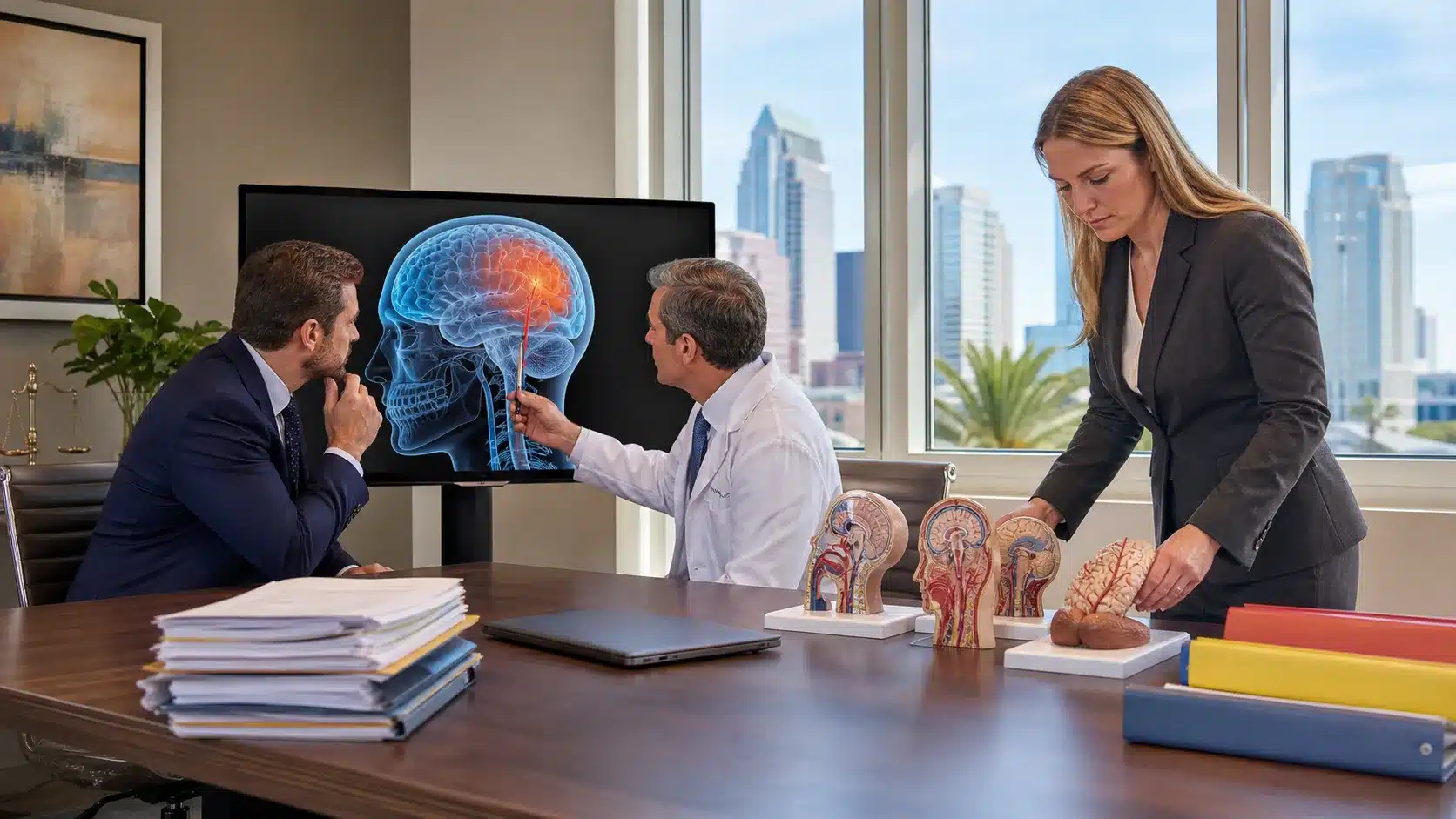
Because these cases are so technical, expert witnesses are at the center of any claim for brain damage compensation. Different experts help explain different pieces of the puzzle, such as:
- Neurosurgeons, who understand brain anatomy and surgical risks
- Anesthesiologists, who track oxygen, blood pressure, and medications during surgery
- Neurologists, who diagnose and explain brain function after the fact
- Intensivists, who manage care in the ICU during those first critical days
- Life care planners, who project future medical and daily living needs
These experts study:
- Operative reports, to see what the surgeon planned and what actually happened
- Anesthesia records, to track oxygen levels, blood pressure, and drug doses minute by minute
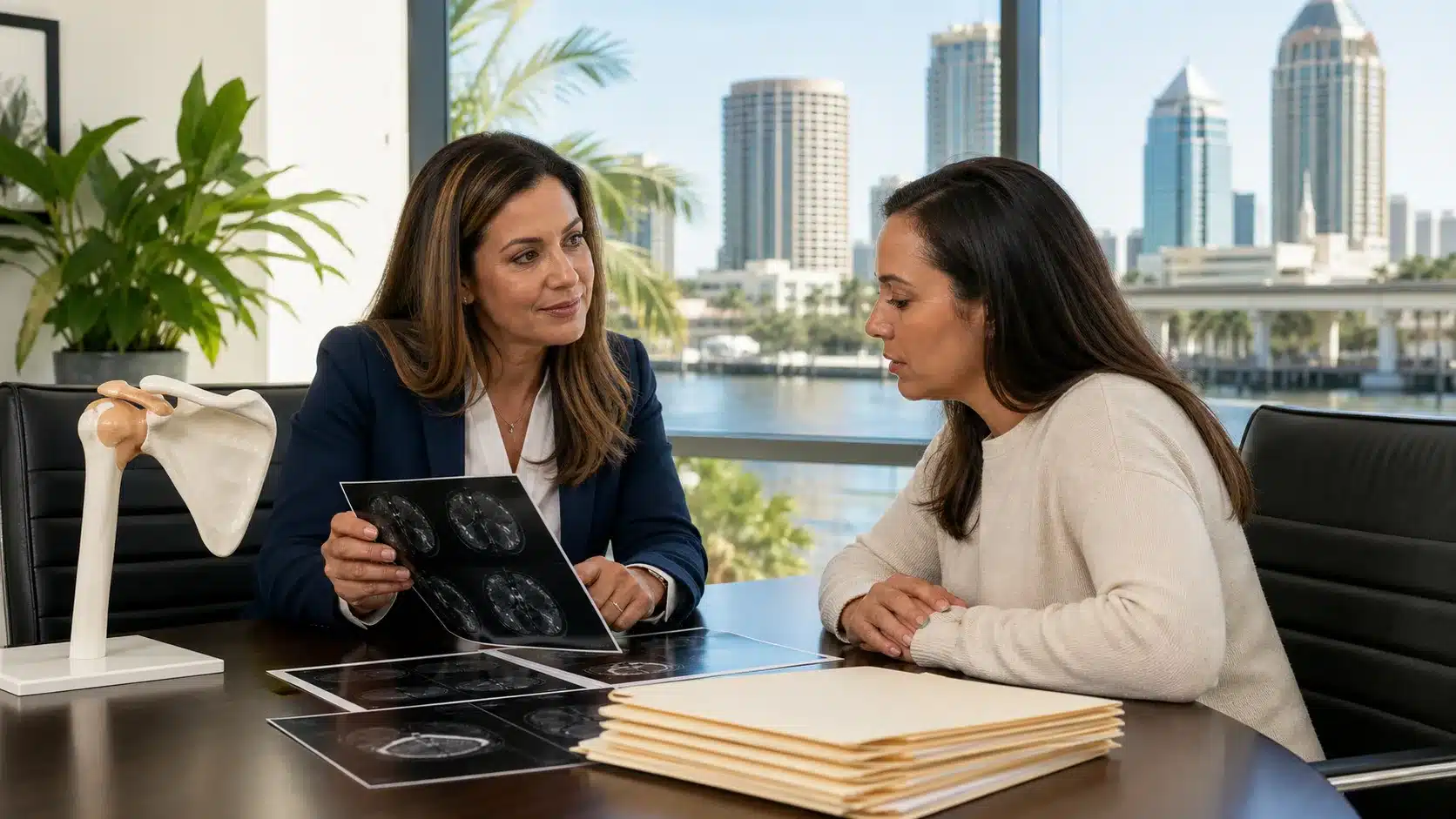
- Imaging studies, such as CT scans and MRIs, to spot patterns of brain injury
- Vital sign logs and ICU notes, to pinpoint when the brain began to show signs of trouble
From this, they build a detailed timeline that shows when the injury most likely happened and what likely caused it. For example, they may show that a hypoxic-ischemic injury, which is a type of harm caused by lack of oxygen and blood flow, lines up with a long period of low oxygen or major blood loss during surgery.
A big part of an expert’s job is translation. Terms like “hypoxia,” “embolus,” or “medication interaction” can be confusing. Skilled experts explain them in everyday language, so jurors can follow along. At the same time, experienced Tampa malpractice attorneys work to test the defense experts through cross-examination. We may use rebuttal experts to point out gaps, show better medical literature, or expose opinions that do not fit the records.
Common Defense Arguments and How to Counter Them
Hospitals and surgeons rarely just admit fault. They often rely on common themes in surgical brain injury cases, such as:
- The injury was an accepted risk of the procedure
- The patient’s health was already too fragile
- The brain damage came from a separate event, such as a stroke that no one could prevent
Defense teams also point to informed consent forms that list risks, or to a long list of medical conditions like diabetes, heart disease, or prior strokes or head injuries. Their goal is to convince the jury that the surgeon did nothing wrong and that the outcome would have been the same no matter what.
There are ways to push back against this, including:
- Showing clear deviations from hospital protocols or national guidelines
- Pointing to gaps, contradictions, or sudden changes in the medical records
- Questioning altered records or late entries that try to “fix” problems after the fact
- Highlighting ignored red-flag symptoms before, during, or after surgery
In a busy Tampa hospital, people move on quickly, and staff turnover can be high. That is why early action can make a difference. Important steps include collecting all versions of the medical record, preserving electronic data, and locating neutral witnesses like nurses or techs before memories fade or people transfer to other units.
Calculating Long-Term Losses After Surgical Brain Injury
If causation is proven, the next question is: What losses can the law recognize? In Florida brain damage compensation cases, possible damages can include:
- Past and future medical expenses
- Lost wages and loss of future earning capacity
- Pain and suffering
- Loss of enjoyment of life
For moderate or severe brain injuries, life care planners and economists often work together to build a picture of long-term needs. They may look at:
- Ongoing therapy, such as physical, occupational, or speech therapy
- Attendant or nursing care, at home or in a facility
- Adaptive equipment, such as wheelchairs or communication devices
- Changes to housing or vehicles to allow safe movement and care
- Medications, doctor visits, and possible future hospital stays
Brain injuries also place a heavy load on families. Spouses may become full-time caregivers. Children may take on adult roles. As we move into the later part of the year, holiday gatherings, school breaks, and family events can highlight just how much has changed. Caregiver burnout is real, and the law allows juries to consider emotional harm and lost relationships.
Florida law on noneconomic damages, such as pain and suffering, can shift over time. That makes careful proof even more important. Details matter, such as daily logs of headaches, confusion, mood swings, or sleep problems, and notes about missed milestones, social events, or hobbies.
Steps to Protect Your Rights After a Suspected Surgical Error
When a loved one does not wake up the same after surgery, it is easy to feel overwhelmed. Even while you focus on medical care, there are some basic steps that can help protect legal rights in a possible brain damage compensation claim:
- Request complete medical records, including imaging, anesthesia logs, and ICU notes
- Keep a written diary of symptoms, behavior changes, and what doctors say
- Save bills, letters from the hospital, and insurance paperwork
- Avoid posting details about the event or the injury on social media
Florida has special rules for medical malpractice claims. Before a lawsuit is filed, there is a presuit investigation and formal notice process. There are also strict time limits for bringing a claim, known as the statute of limitations and the statute of repose. Waiting too long can close the door, even if the case is strong.
A thorough review of causation, expert needs, and damages takes time. At Greco, Wozniak & Ruiz-Carus, P.A., we focus on medical malpractice, personal injury, and wrongful death for patients and families across Florida, including here in Tampa. When brain damage may be linked to a surgical error, early legal guidance can help secure expert review, preserve key evidence, and give families a clearer sense of their options moving forward.
Protect Your Future With Experienced Brain Injury Advocates
If you or a loved one suffered brain trauma from a medical or surgical error, we can evaluate your options for pursuing brain damage compensation. At Greco, Wozniak & Ruiz-Carus, P.A., we carefully investigate what went wrong and work to hold the responsible parties accountable. Reach out today and let us explain your legal options and next steps, or contact us to schedule a confidential consultation.